Base Salad Recipe
For those of us with type 2 diabetes, salad is a good way to pack nutrients in, keep carbs low and can help with weight loss as a regular lunch option. If you have a fixed recipe at hand it's easier to log your macros.
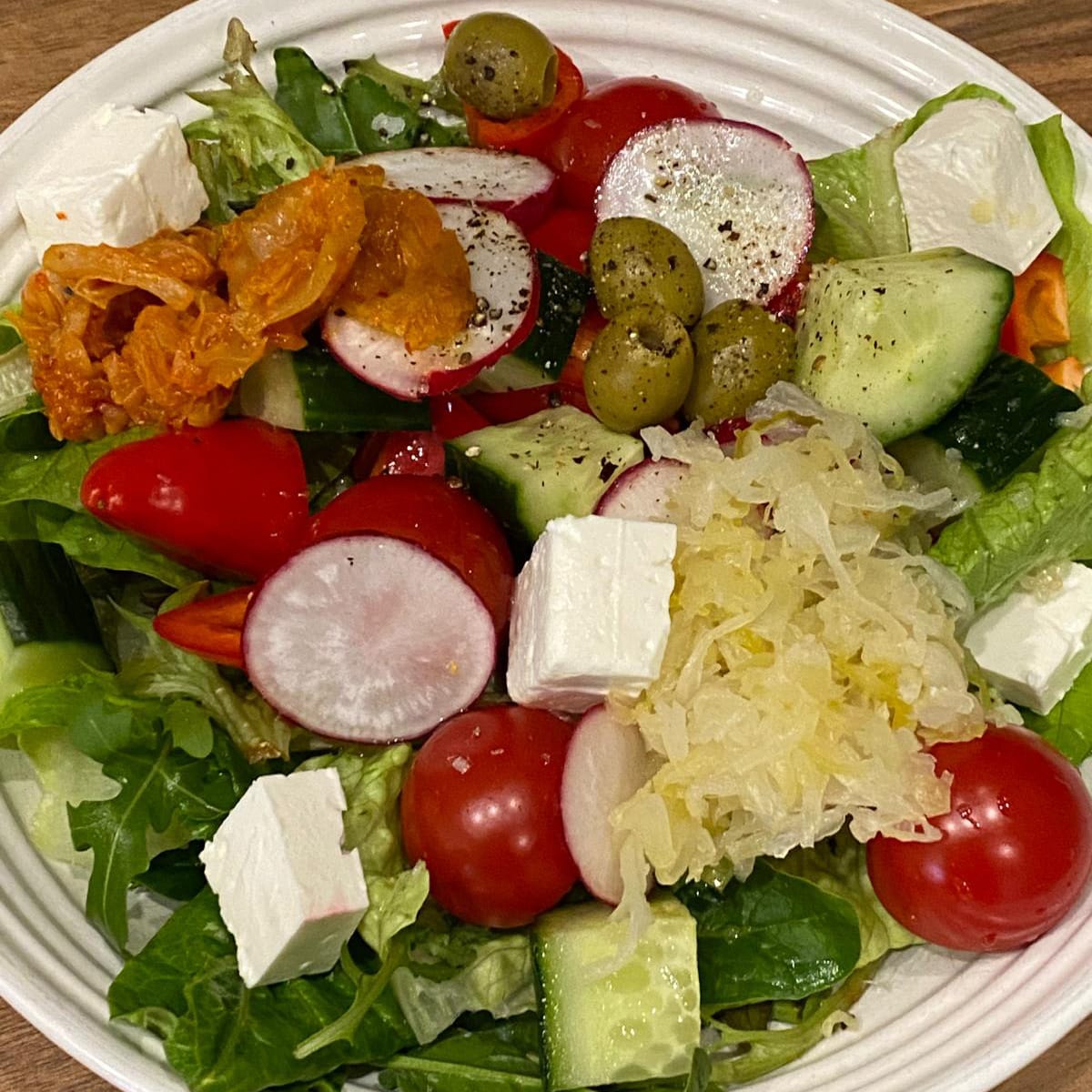
Prep time: 20-30 minutes
Salad is a good way to pack nutrients in, keep carbs low and will help with weight loss as a regular lunch option. The downside is all the washing and chopping which can make it a bit of a chore and the ingredients don't keep for long so regular shopping is a must. If you are short of time and need to buy a ready-made salad, I'd recommend the M&S ones that come with the dressing in a separate pot (which I always immediately throw in the bin). They also do a snack pot of pre-boiled eggs with spinach which is a good protein-boosting accompaniment. I tend to keep extra virgin olive oil, salt, pepper and a pot of goat's cheese in the office ready to add to a pre-made salad. A surprisingly healthy salad solution if you're in a pinch is Subway - just don't let them add any sauce, and have your own protein options ready to go.
Macros
- Protein: 8g
- Fat: 14g
- Net Carbs: 7g
- Fibre: 4g
Ingredients
Single portion
- Gem/romaine/cos lettuce 35g (4 large romaine leaves) shredded
- Mixed salad 25g (2 handfuls)
- Sweet salad peppers 40g (1 medium) chopped
- Radish 20g (1 large) sliced as thinly as is practical
- Cucumber 60g (2 half-inch round slices chopped into 4)
- Cherry tomatoes 60g (4 medium sized or 6 small)
- Olives 10g (4 small pitted)
- Kimchi 25g (approx 1 tablespoon)
- Sauerkraut 20g (approx 1 tablespoon)
- Apple cider vinegar 5ml
- Extra virgin olive oil 5ml
Ingredient tips
Gem/romaine/cos/round/iceberg lettuce doesn't do much flavour-wise. I add it mainly for texture and bulk. Personally, I find a salad is only really satiating if I have a lot of it so a basic green lettuce makes for a stomach filling base which allows the other ingredients to show off. Green lettuce contains a small amount of electrolytes and vitamins.
Mixed salad adds more nutrients if you look for ones containing dark green leaves such as spinach, and red leaves like radichio and some types of butterhead which contain more polyphenols than green varieties.
I've never liked the stagnant water flavour of radishes, which is why I slice them thinly to help them soak up seasonings and vinegar. They are a good source of vitamin C and contain antioxidants that support overall metabolic health. One particular antioxidant that radishes contain is epicatechin, which has been seen to help reduce the risk of type 2 diabetes, most likely by reducing insulin resistance.
Red peppers contain more than twice the vitamin C content of oranges and yellow ones have more than three times. Even green peppers have more vitamin C than an orange but much less than the brighter colour versions. Green peppers are slightly more bitter so I tend to save them for cooking - they go well with curries.
Cucumber adds a refreshing texture. They are a source of potassium, an electrolyte that assists hydration along with its water content. I find leaving most of the plastic wrapping on the remaining unused cucumber helps to stop it drying out in the fridge.
Cherry tomatoes contain more flavour than the canonball-bland supermarket salad tomatoes... why on Earth they call them 'salad' tomatoes I have no idea - at least cooked in a sauce you can add herbs to impart some hint of flavour. If you can find organic then that's great as they tend to retain more vitamins and polyphenols which can help to reduce insulin resistance and protect against cancer and heart disease. Organic can be tricky to find in supermarkets so just go for the best tasting ones you can find/afford. I find piccolato ones are usually good but not the cheapest.
Olives are rich in vitamin E and polyphenols. Darker ones are more nutrient-dense. A good way to avoid UPF nasties is to look for olives stored in jars of brine or olive oil as they don't need refined seed oil or artificial preservatives such as sodium or potassium metabisulphite used to keep the refrigerated deli counter ones fresh. Make sure to check the ingredients list - the fewer the better.
Regularly eating fermented foods is a good way to build and support a thriving gut microbiome. I buy jars of pickled sauerkraut and kimchi as all attempts to make them at home have failed with some rather suspect bacterial formations floating about so I don't trust myself. As with the olives, just check for added ingredients that aren't necessary. I find Baxters is one of the best brands for avoiding UPF nasties. I love pickled onions but they have a higher carbohydrate content than I'm usually comfortable with so I only add one occasionally.
Apple cider vinegar adds a nice tang as well as helping to reduce glucose spikes by aiding absorption and slowing down the breakdown of starches.
Non-pasteurised cheeses from grass fed goats and sheep are my preferred option. They contain more odd-chained fatty acids such as C-15 which have been connected to improved insulin sensitivity. This is why I tend to use feta or French style goat's cheese with a lot of my salads and grate ridiculous amounts of parmigiano on rich Italian tomato dishes.
Try to avoid storing vegetables in large open areas of the fridge - they will dry out quickly so always keep them in separate containers or the salad drawer. I tend to line my salad drawers with fresh kitchen towel whenever I unpack a fresh shop. This helps to keep root veg such as radishes dry.
Wash veg when you first use it and then keep it in individual storage containers (tupperware or old takeaway cartons are fine but glass is best if you want to avoid microplastics and PFAS chemicals).
Time-saving tips
Get a salad spinner for lettuce leaves - I tend to wash all the leaves when I first open a bagged salad and keep them in the salad spinner in the fridge. Adding a piece of kitchen towel under the drainage basket helps to stop leaves from rotting. For larger romaine lettuce, I tend to wrap them in foil before placing in the salad box in the fridge.
If you're preparing lunches to take to work, then I find it easier to make two or more portions for the week at the same time as it doesn't take that much longer and will save the drudgery of doing all the prep on multiple days.
Mix it up with a range of protein options
If you have a base salad recipe memorised it's easy to build it up and then add whatever's handy from the fridge. Some of the combinations I like to use involve avocado, leftover cold cuts of meat, ham, eggs, nuts, seeds, fresh berries, natto, yoghurt, kefir and even dark chocolate. Tuna mixed with cottage cheese is a great alternative to mayonnaise as it avoids inflamatory seed oils.
Pumkin seeds, basil seeds, walnuts, hazelnuts and almonds are my go to additions as they pack high levels of electrolytes. I also like to add dried barberries as they are a source of berberine which has been associated with improved cardiovascular health.
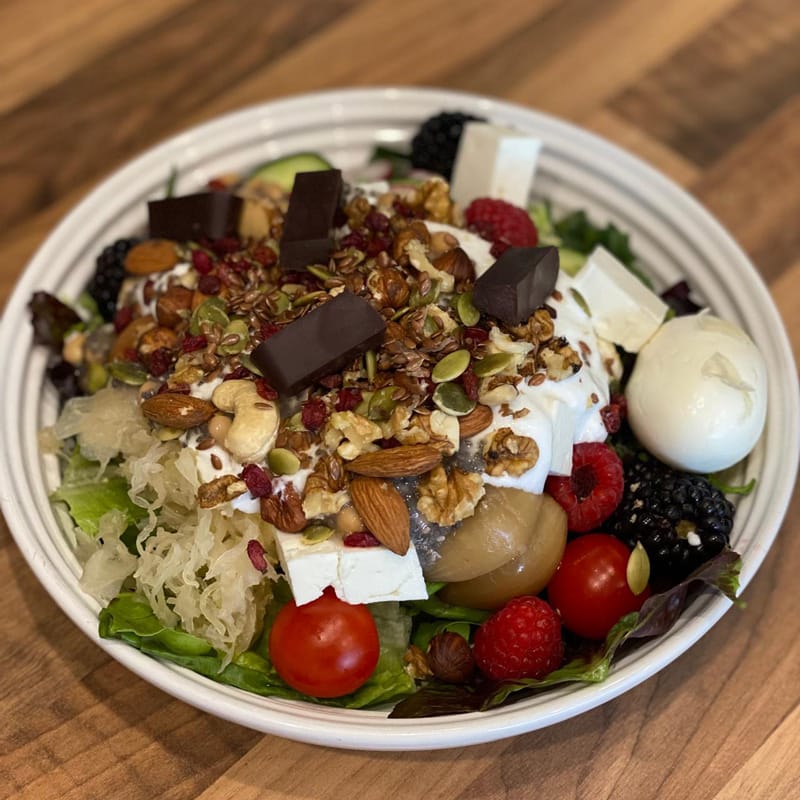
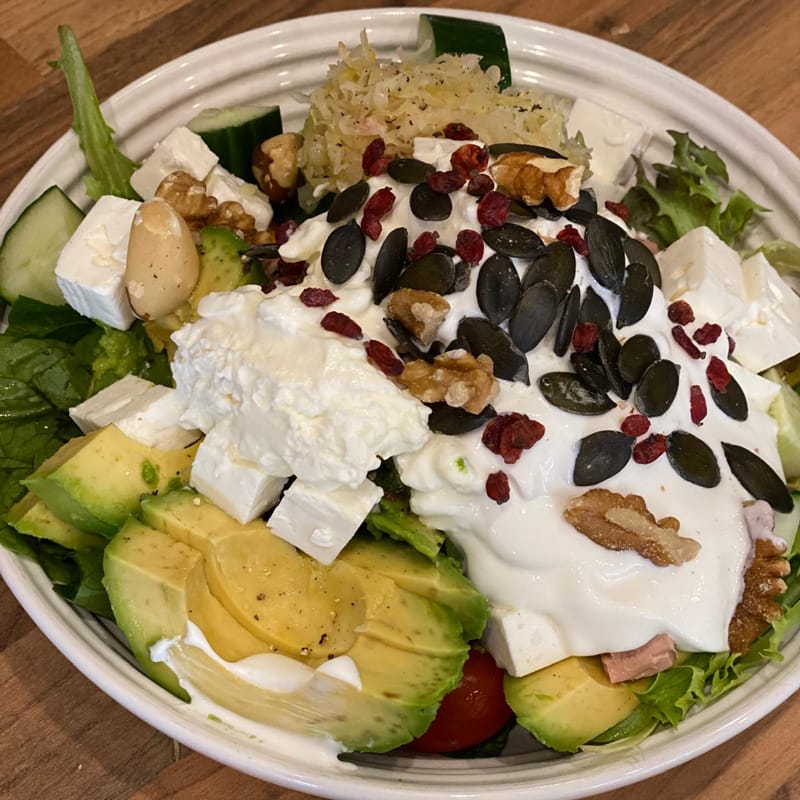
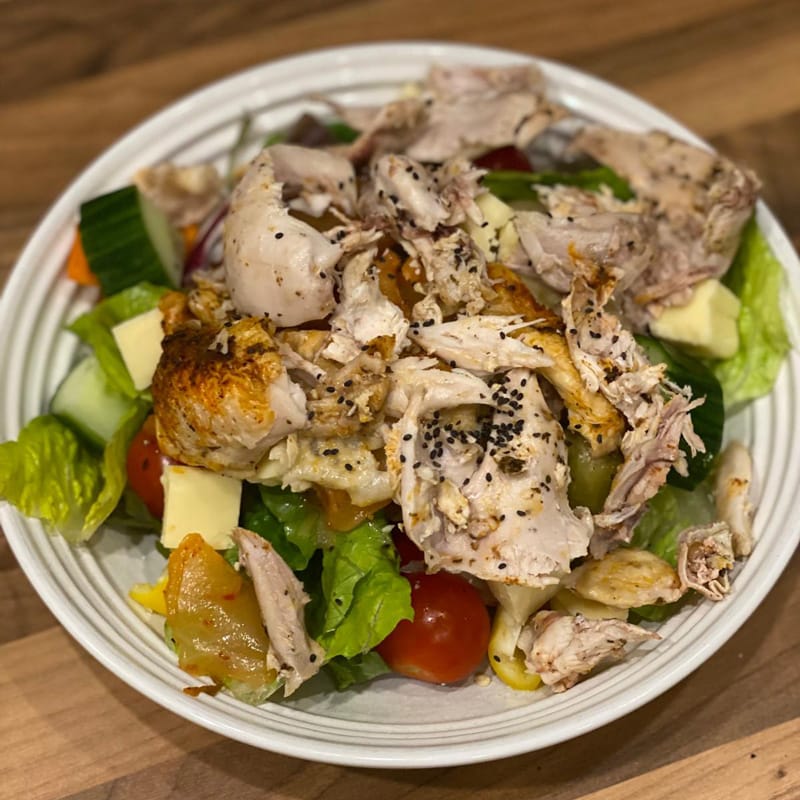
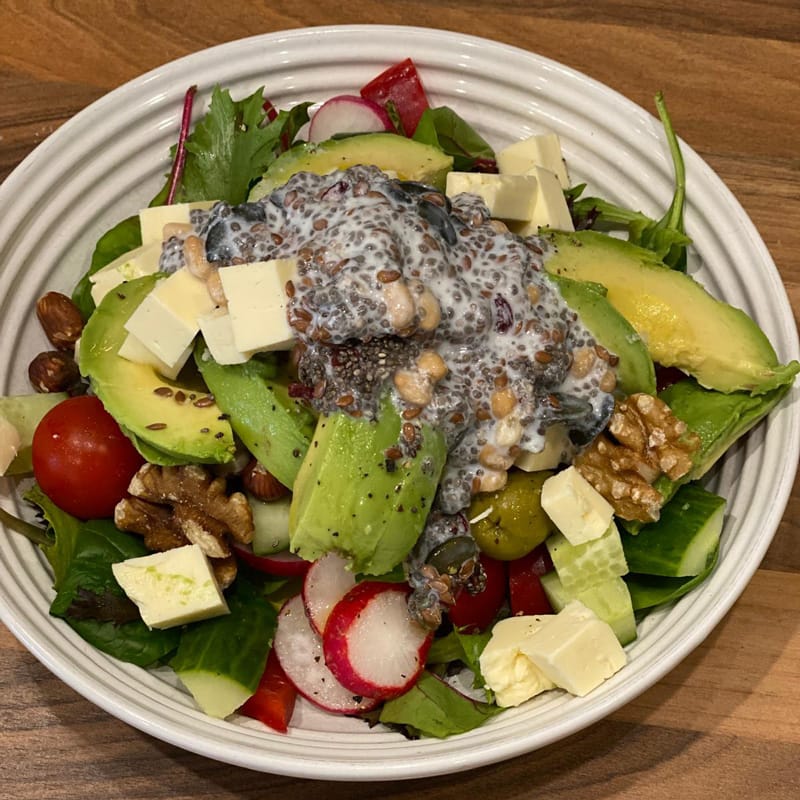
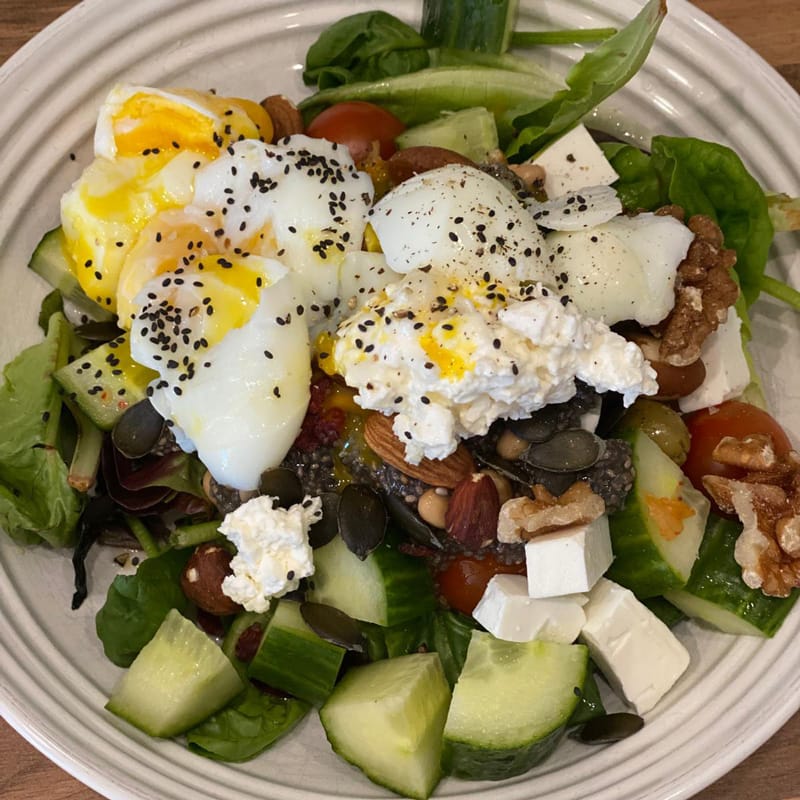
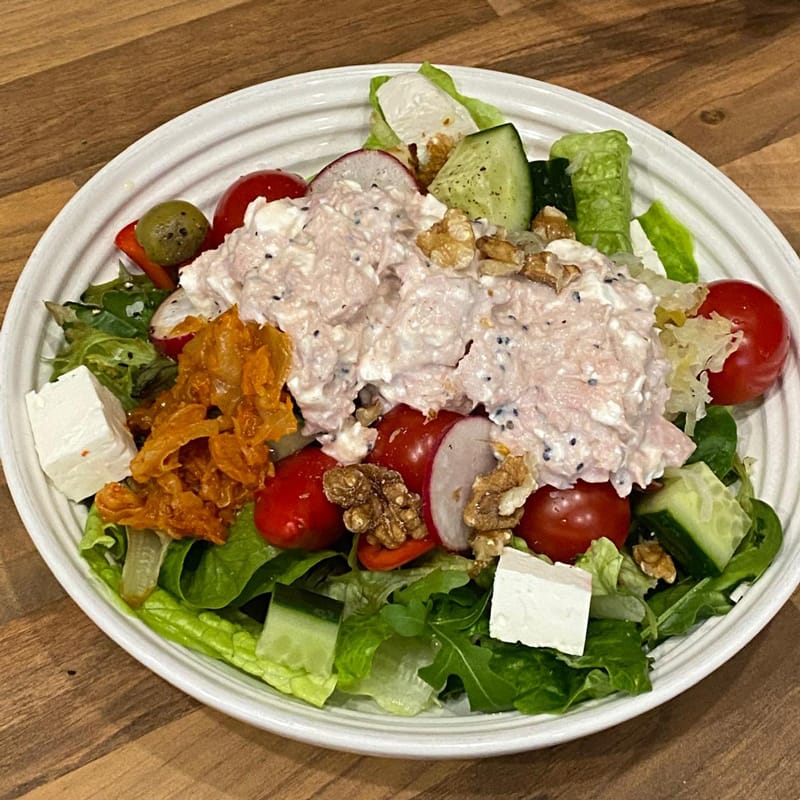
Add a good portion of protein and fats to keep you fuller for longer.