War on diabetes newsletter 15th November 2025
Welcome to the fifteenth War on Diabetes newsletter - regular tips and ideas from someone who has had diabetes for five years and learned a lot about it. It's a practical and actionable guide to details that your doctor probably won't have time to tell you about.
Apologies for the long break in newsletters. I've had some extra desk work to cover which has taken up a lot of my time. I'm moving to less-frequent newsletters to give more time to create quality content. I feel that I've done a 14 week overview of how I've achieved remission of my type 2 diabetes and now I want to keep producing in-depth coverage and more valuable content for people rather than just repeating the same weekly nutrient macro summary - "What I ate this week" is going to become boring. I'm going to start covering more recipes and practical tips based on in-depth research of the latest information relating to type 2 diabetes and metabolic disorder in general.
I think this is a good point to say "Here's a 14-week example (not an exact plan) on how to reverse type 2 diabetes." This is just my experience, and everyone will have a different journey, but I wish I'd had this resource available to me when I was first diagnosed as I was confronted with so much conflicting information that it sets you on a cyclic path of making some progress and then giving up due to frustration when blood glucose levels go back up again.
What I learned this month
I've spent longer than usual putting together an important piece on nutritive mismatch. This is from another "wow" moment whilst listening to my latest audio book. Combining sugar and artificial sweeteners is a very likely cause of increasing levels of metabolic disorders from an increasingly younger age. If you want to never drink an energy drink again - read on...
Read moreProgress Update
Winter has been a new challenge. Dark nights and rainy days have made getting three walks per day more difficult. The cold weather is making me crave stodgy foods and feeling trapped in the house is giving me too much of an excuse to drink wine due to boredom.
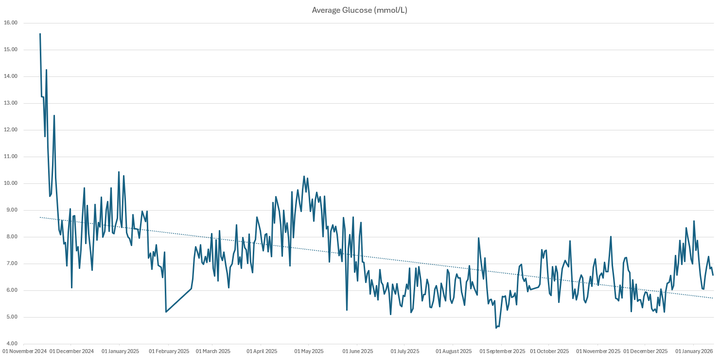
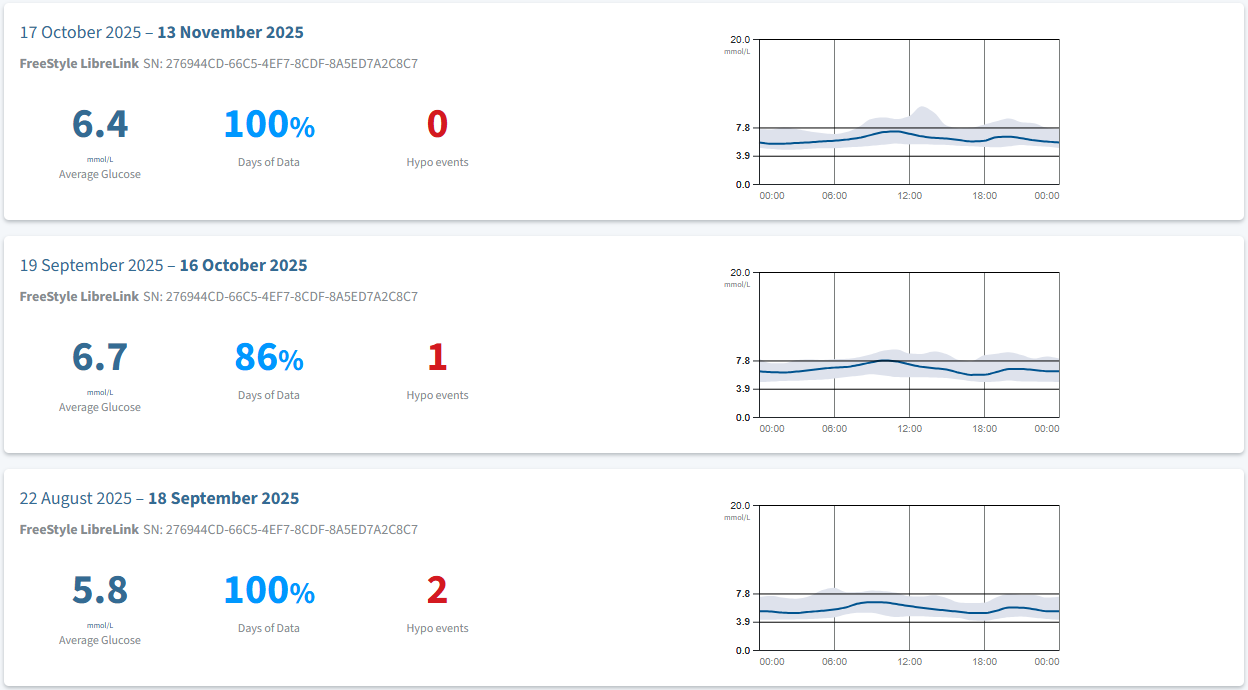
I stopped taking my reduced dose of metformin from the start of October after my latest HbA1c blood test came back at 38 mmol/L which is no longer within diabetic range. Since then, my average blood glucose has been more difficult to keep down, but I am determined to stay off medication at this point. The one good thing is that I'm no longer worrying about hypos and carrying glucose tablets around with me. Officially metformin isn't supposed to cause hypos but my experience is telling me otherwise.
Thyroid problems
I had my follow up private blood test results back after my Thyroid Stimulating Hormone (TSH) levels were found to be elevated at my last NHS diabetes blood test. This has confirmed very high levels of TPOAb antibodies which is indicative of Hashimoto's thyroiditis. This is an autoimmune disease where the body's immune system starts destroying the thyroid gland. I'm now spending a lot of time researching this and I'm looking at ways to try to reverse it before having to spend the rest of my life on thyroxine medication.
One of the most balanced and well-researched resources I've found for Hashimoto's is 'Hashimoto's Thyroiditis: Lifestyle Interventions for Finding and Treating the Root Cause' by Izabella Wentz. This book references a statistic that 20% of people manage spontaneous recovery and I think this is largely down to being able to pick up on the right triggers for the condition and eliminating them. There is a lot of controversy around iodine on this topic which is akin to type 2 diabetic groups arguing over whether oats are good for you or not - eventually I'm going to have to pick a side (I'm definitely on team 'no oats' when it comes to diabetes).
Triggers I'm going to look at first:
- Fasting - I'm going to avoid full day fasts for now
- Wireless headphones - I've been wearing these a lot since I started walking in the summer so this would fit the timeline well
- Alcohol - This can contribute to leaky gut which is a common trigger
I'll get a follow-up blood test in the next month or so which will give me an idea if I'm on the right track. Dairy and gluten are also possible triggers. I'd be devastated to give up cheese as it's one of the only remaining treats I enjoy and I doubt that gluten is the trigger as I very rarely have any bread or grain products.
Food devils
I've had a few stodgy food fails recently so I think it's only fair to show the bad as well as the good food choices on the diabetes rollercoaster.
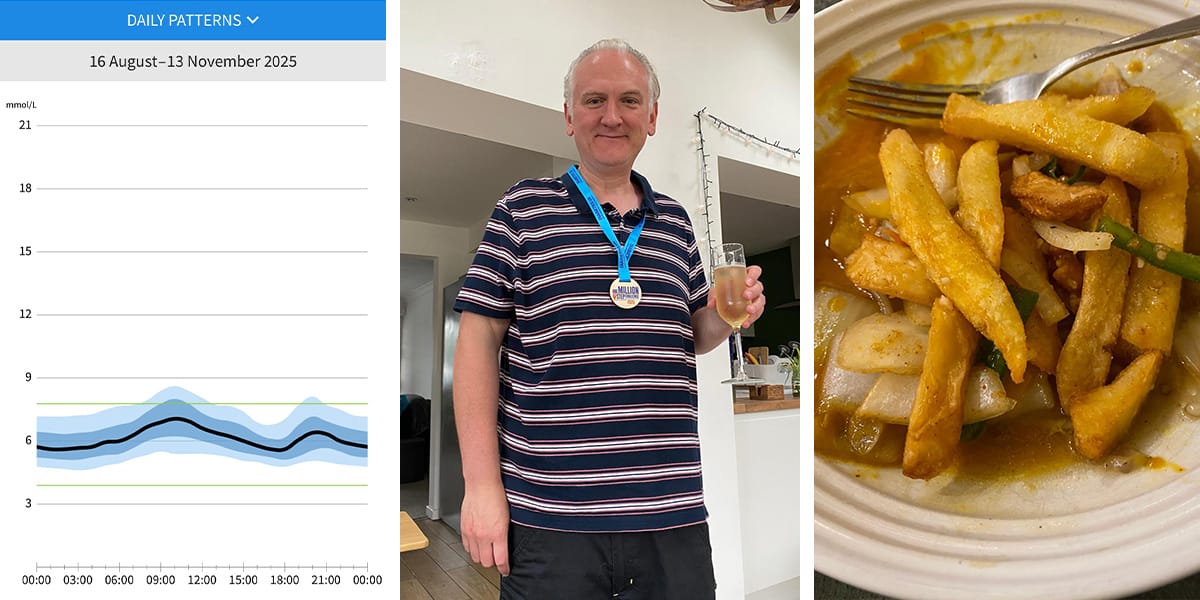
Chinese takeaway chicken curry
This was a fasting day fail... I'd planned on not eating anything on this day and my partner decided to order a Chinese takeaway (as muggins wasn't cooking dinner). I caved and had one of my usual favourites that I've not had for several months. It took me all night for my glucose to climb down from about 12 mmol/L and the really frustrating thing was that I didn't even enjoy it. Despite a huge quantity of onions (not glucose friendly) it was the most bland sauce I've ever had, so I ended up munching on some salt and pepper UPF chips in an attempt to satiate my desperate craving for something with a hint of flavour.

Bacon butty
After a nice meal out and too much wine in Bury after a good 20,500 step walk to get there, I gave into stodge cravings the next morning and had bacon on a tiger roll with ketchup. I normally have sausage or bacon with eggs, cherry tomatoes and green veggies which wouldn't normally take me above my safe level of 7.8 mmol/L. Getting up near 15 makes me really anxious so it's not worth it.
Jacket potato with chilli and pre-grated UPF cheese
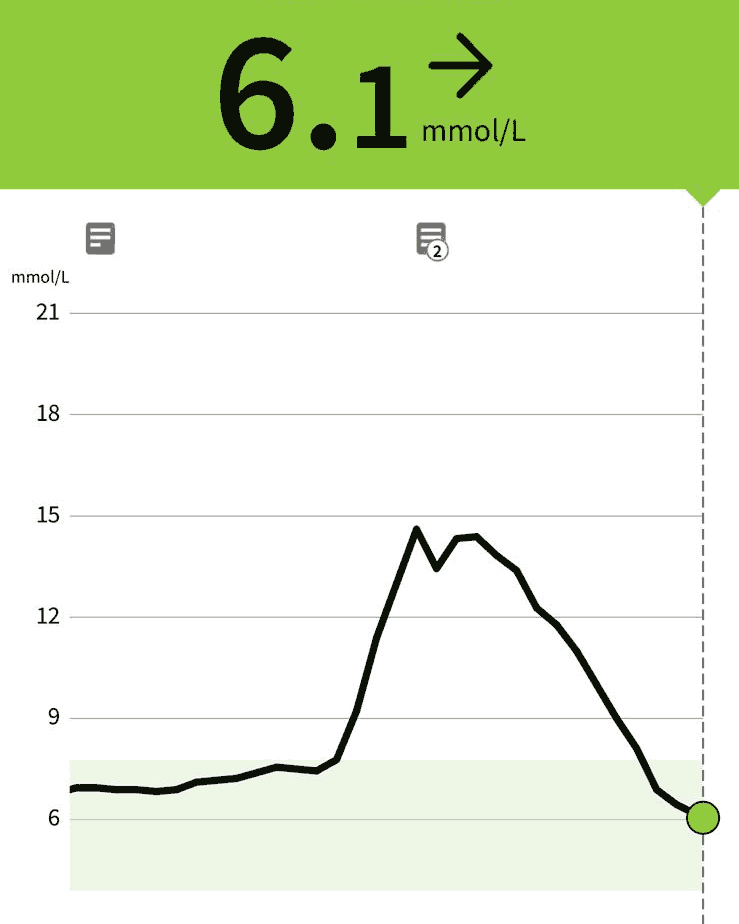
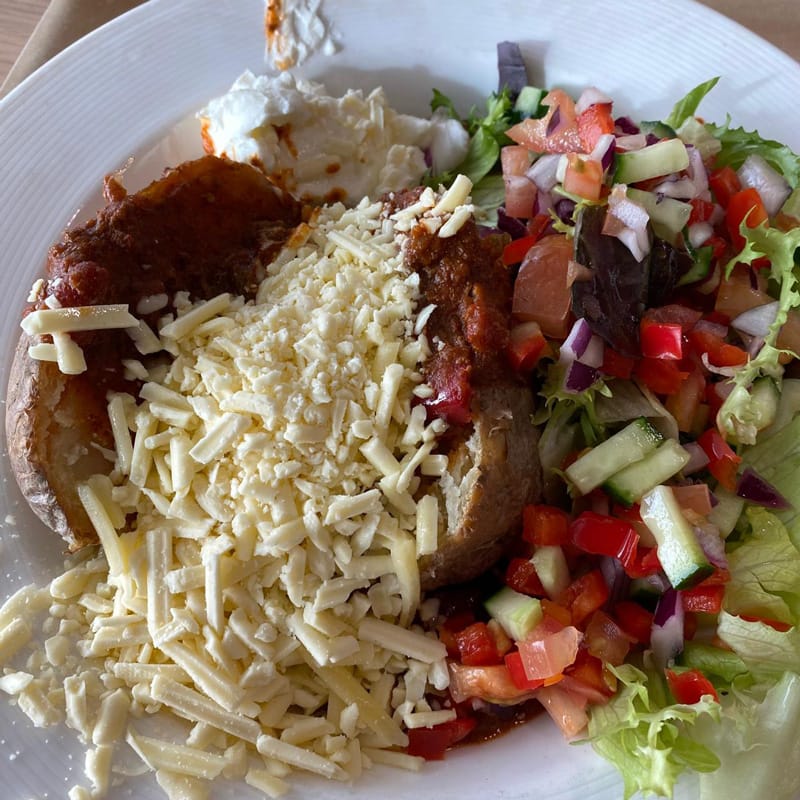
I haven't had a jacket potato in probably over a year. In my previous 'before-diabetes' life, one of my favourite meals would be jacket potato with cheese and baked beans. I made the mistake of waiting to get breakfast out, which didn't happen until gone 12pm so I was raging hangry and the lack of non-carb options was just by-the-by. This is about three times the usual volume of potato I would normally have in a day (I find a small portion is fine). I think the real culprit for my 12 mmol/L spike was the sour cream sauce, salsa, and pre-grated UPF cheese - this is usually covered in potato starch to stop it sticking together. I really hate this stuff as it has the texture of stale playdough, it doesn't melt, and tastes of nothing.
Food heroes
Aldi pork patties
I've noticed Aldi don't seem to be stocking Heck sausages anymore and their own brand sausages always contain a list of UPF ingredients such as sodium metabisulphite which I try to avoid as much as possible. Thanks to Sophie Morris for pointing these frozen pork patties out on Instagram. Her channel involves a lot of practical swaps for avoiding UPF nasties and she's got me into buying more frozen fresh food as the freezing process helps food manufacturers avoid having to use preservative ingredients. It also helps to keep costs down.
Toby Carvery, all you can eat breakfast
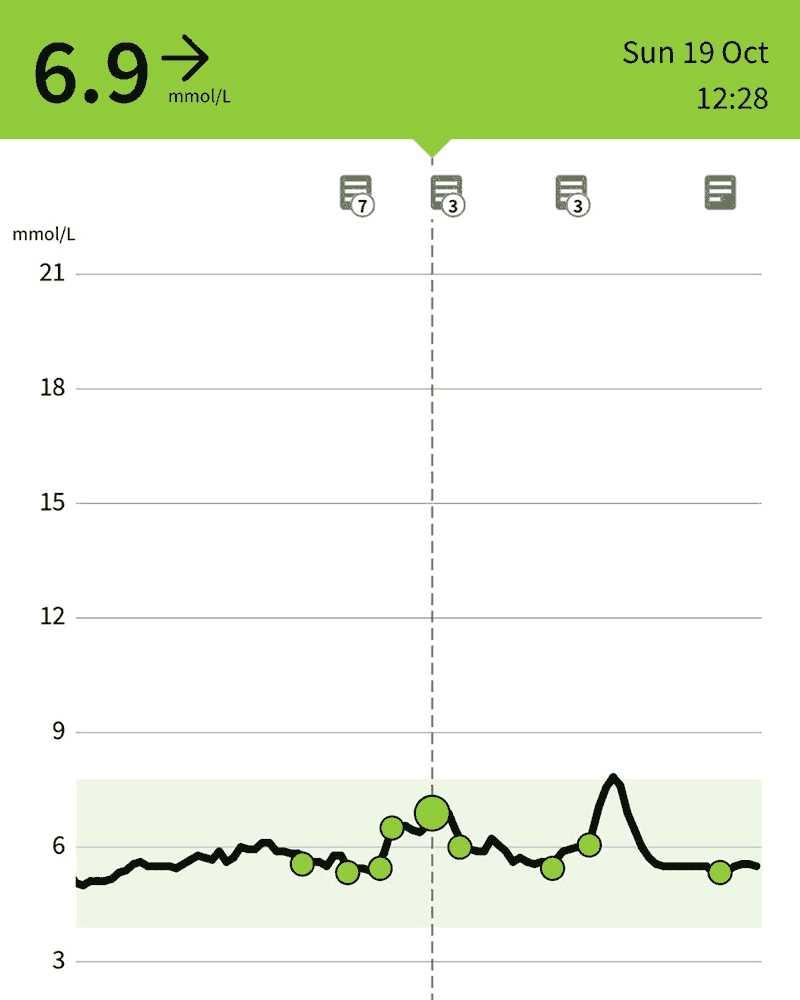
This demonstrates my point that calories are not an important thing to worry about with diabetes. I'm not saying that overeating calories is good, but your focus should be on what macronutrients you're consuming in order to balance your blood glucose levels whilst maintaining health and energy levels. If you eat the right foods, you won't consume too many calories because you won't be hungry. Protein leverage is the theory that you will feel full once you've had your daily requirement of protein and from my personal experience this appears to be true. Saturated fat has also been demonised but will keep you satiated and keep your blood glucose levels down by encouraging more fat burning as opposed to fat storage (from increased insulin from carbohydrates).

Non-disaster Omelettes
I have been failing at Julia Child's French omelette technique using various amounts of butter with a stainless steel pan but almost always make a complete and utter mess of them (and the pan). I have finally given up on stainless steel and tried a nice new mini cast iron one which is consistently producing pretty round discs rather than scrambled sadness.
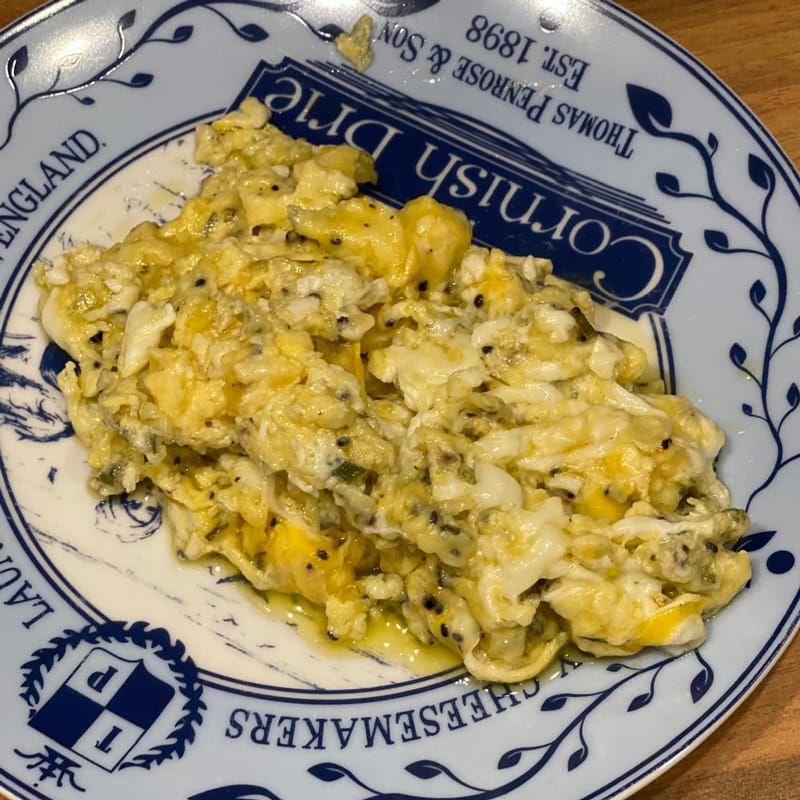

Sorry Julia 😱 Hot cast iron pan with plenty of butter to start on the hob and then finish in the oven for a few minutes beats all that shaking, sticking and disappointment.
Sponsored
Rizz
This is the world's first non-invasive glucose monitoring device due to launch from today (15th November 2025) and I can't wait to give it a try. I've been contemplating getting a health and fitness tracking ring for a while now as I'm interested in sleeping patterns, heart rate variability (HRV) and monitoring temperature for other health reasons. The Rizz ring claims to be able to estimate glucose trends using a combination of proprietary optical sensors, spectrometers and hybrid thermal signals. It's not claiming to be a medical-grade device for measuring insulin dosages (i.e. for type 1s) but I am interested to see if it will show me good enough readings to give me feedback on food choices and if I'm staying within my 'normal' 4-8 mmol/L blood glucose range. If it can do that the subscription costs for the app will be a lot cheaper than the £50-odd every two weeks for a CGM.
Norman Walsh
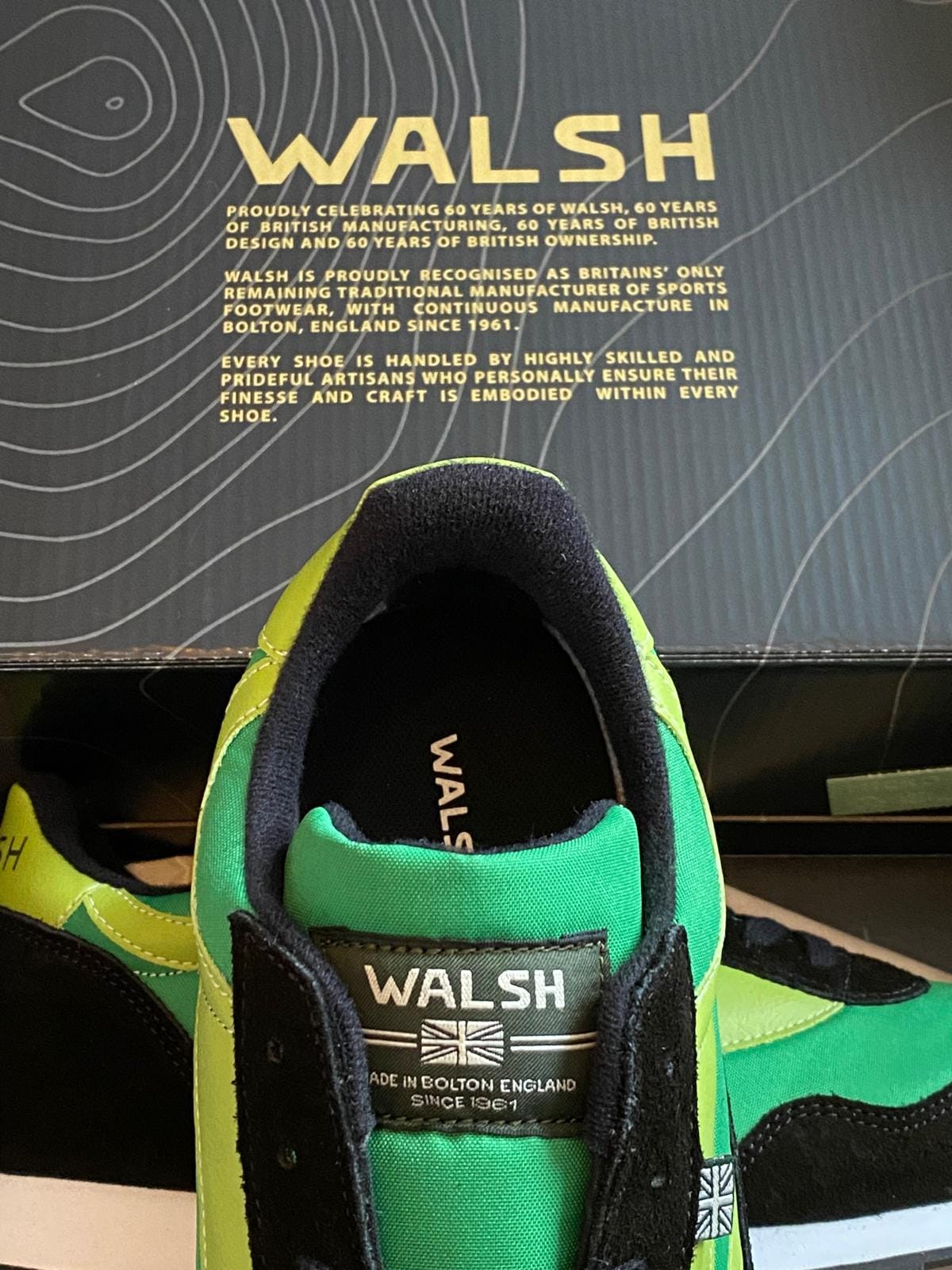
Did you know that Bolton has been making shoes for Olympic athletes for over 100 years? In 1961, Norman Walsh left J W Foster & Sons (the precursor of Reebok), to boldly establish his own brand. You can still buy performance footwear designed and made in Bolton from Walsh today.
Released in 1981 for harriers competing in the New York Marathon, the Ensign quickly became known for its durable performance and minimalist design. While many brands were experimenting with new technological materials, Norman Walsh stuck to his “less is more” approach. Featuring a Vibram Moreflex outsole with a thick wedge in the midsole for a cushioned heel strike, the Ensign provided both comfort and flexibility. The lightweight upper offered full-foot support, making it ideal for marathon training and races.