What is Ultra-processed food?
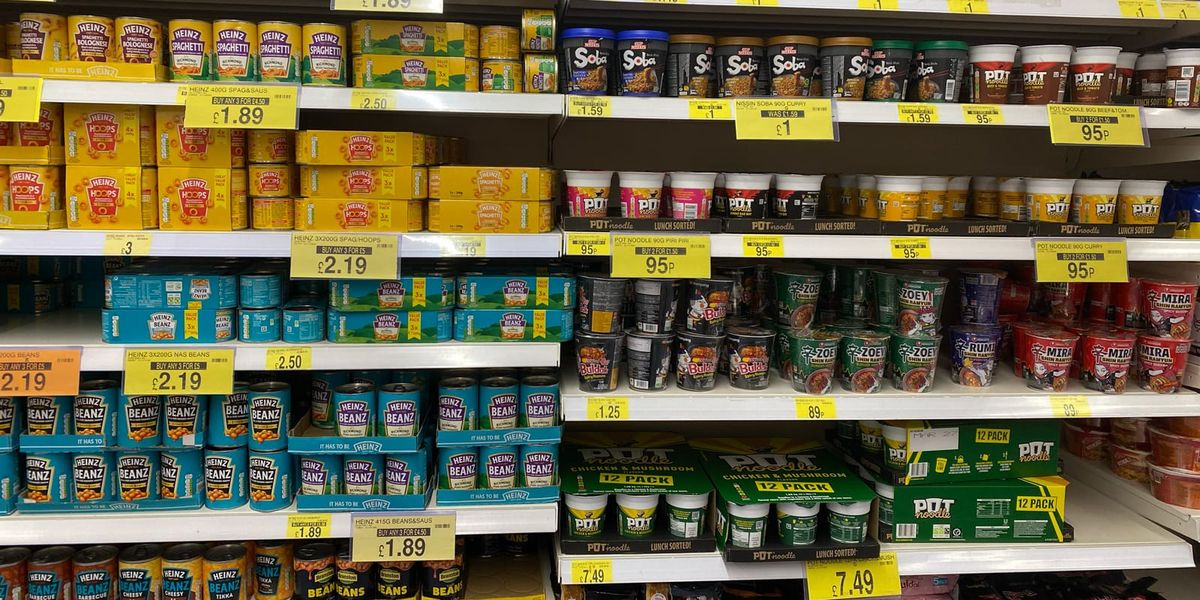
The fields of health and wellness have been increasingly focussed on highly processed food as a likely causative factor in the increasing rates of chronic illness around the world over the last two decades. The term 'Ultra-processed food' or 'UPF' is now commonly banded about similarly to 'inflammation' and 'oxidative stress'. But what actually is Ultra-processed food? Generally, it is the product of an overly industrialised food production process that has lead us down the path of food scientists (very cleverly but maybe somewhat unwisely) creating ever more ingenious ways of manufacturing foods that resemble their traditional counterparts but with the purpose of making them vastly more profitable. They do this by making the ingredients quicker or cheaper to acquire, increasing shelf life to reduce wasted product, increasing desirablity by altering taste, texture, or smell, making them as convenient to consume as possible, and also by employing powerful marketing techniques.
The NOVA food classification system
A problem with discussing the health implications for Ultra-processed food within the scientific community has been that it's not easy to define exactly what it is. It's not easy to define UPF by an exact list of ingredients or particular processes. In March 2017, Carlos Monterio and his team at the University of São Paulo published the NOVA food classification system. This system isn't perfect in being able to classify all foods but it's a good starting point for enabling more scientific analysis of the health impacts of UPF.
'Nova' is the Portuguese word for 'new' so the 'NOVA food classification system' just means the 'New food classification system'. It divides different food and drinks into four groups to help identify which level of processing has been involved.
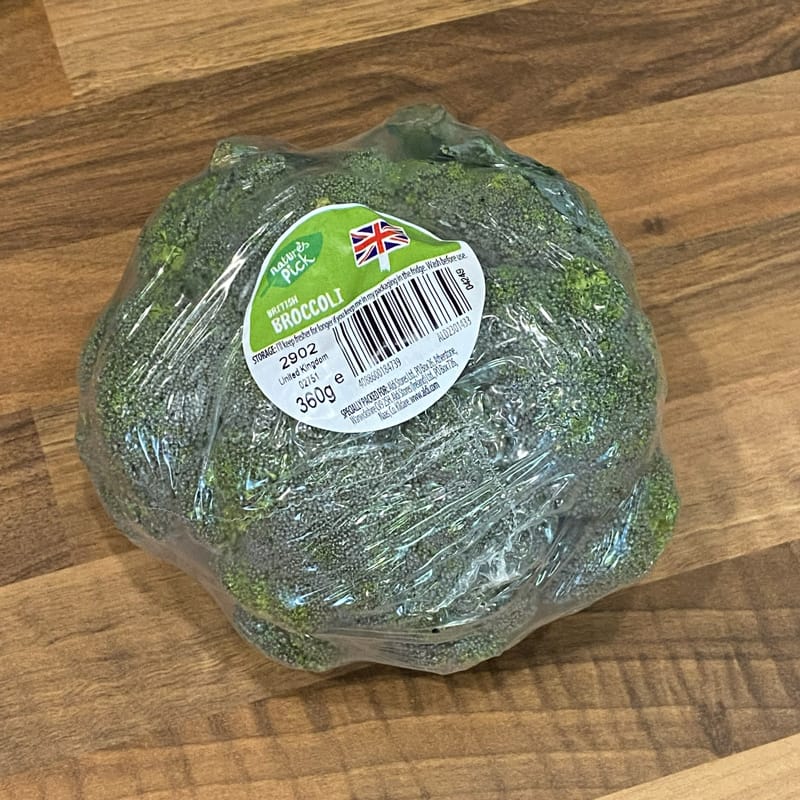
Group 1 - Unprocessed or minimally processed foods
Group 1 contains food and drinks that have been separated from nature and have only undergone minimal processing i.e. packaging, refrigeration, freezing, crushing, fermentation or traditional cooking.
Examples: vacuum-packaged meat, milk, eggs, vegetables, mushrooms, fruits, seeds, a glass of water, a roast potato etc.
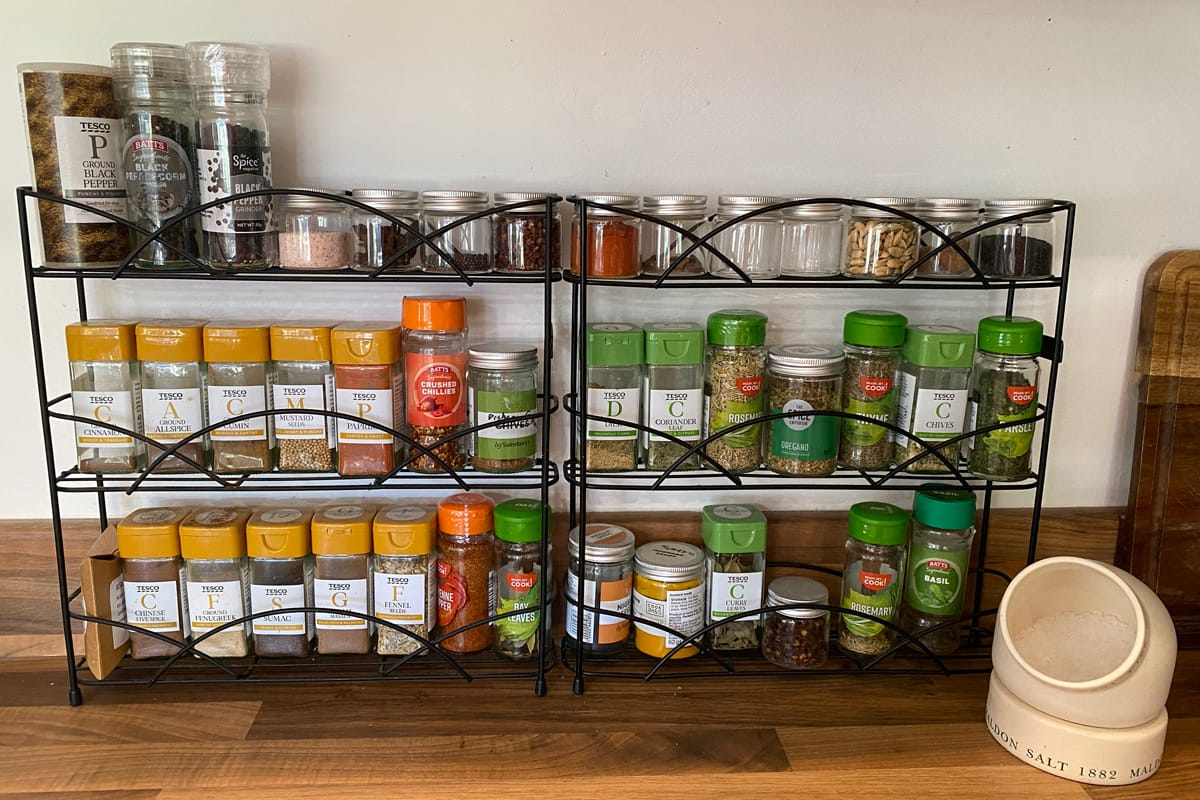
Group 2 - Processed culinary ingredients
Group 2 contains culinary ingredients that are not usually consumed by themselves but are added to Group 1 foods to make a meal or processed food product with a specific flavour and/or texture. They are substances created from Group 1 foods using traditional processing methods: pressing, refining, grinding, milling and drying. Their purpose is to create shelf-stable ingredients that can be stored easily in a home or restaurant kitchen. Group 2 ingredients include oil or butter used for cooking, herbs and spices used for seasoning, pectin added to fruit to make jam, sugar added to lemons and water to make home-made lemonade.
Group 3 - Processed foods
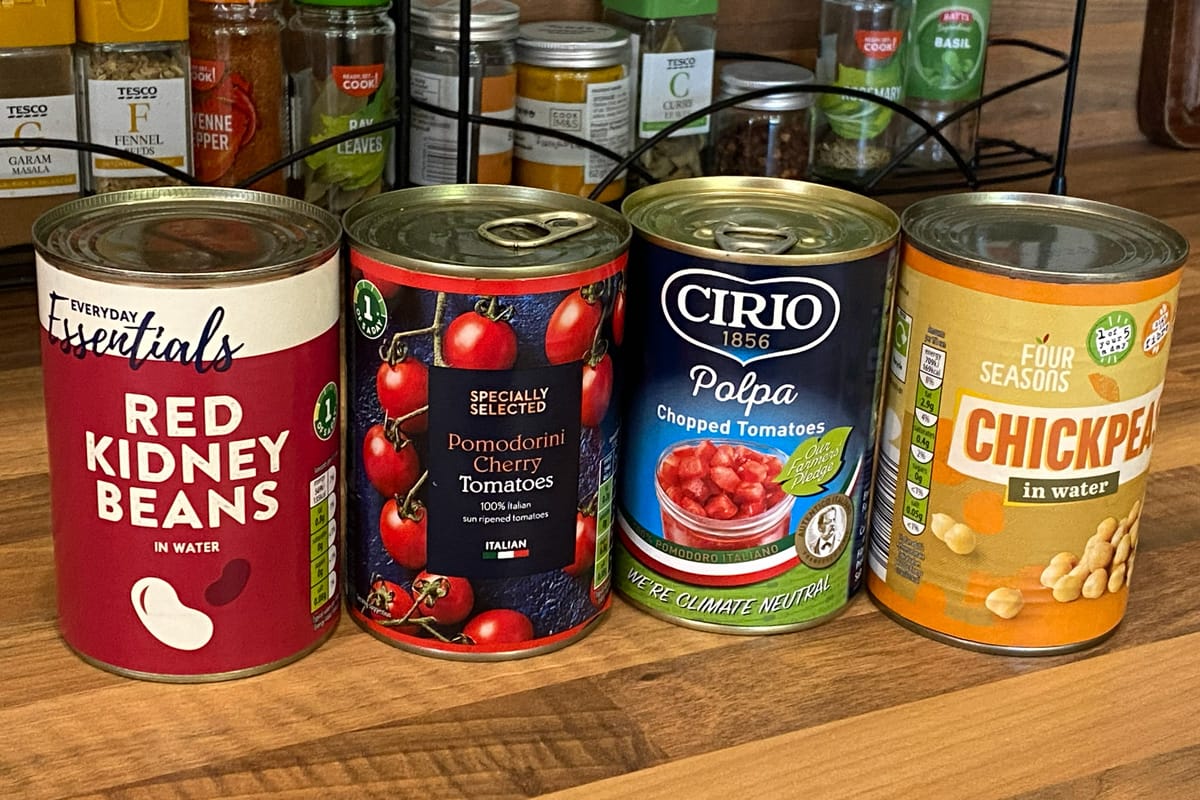
Group 3 food and drinks are generally combinations of Group 1 and Group 2 ingredients used to make meals or more durable food products. They are combined using basic processing methods: canning, fermentation, cooking. The purpose of processing is to increase durability or to alter sensory qualities.
Examples: tinned fruit and vegetables, freshly baked bread, jam, casseroles, pickled vegetables, smoked meats, cheeses, traditionally made pizzas.
Group 4 - Ultra-processed foods
Ultra-processed food consists of formulations made from substances derived from foods and additives. They are made using processes that have no domestic equivalent i.e. you wouldn't be able to make them in a home kitchen using traditional ingredients. The final product has been denatured from an original Group 1 food to the point that there is little or none of the original food structure left. Food scientists call this destroying the 'food matrix'. When the natural structure of plants and animal foods is broken apart into refined starches, sugars, isolated proteins and oils, most of any fibre is removed and they are digested much more quickly, leading to higher blood glucose, reduced satiety and making it very easy to consume more than you would naturally want to.
The purpose of Group 4 (UPFs) is to increase profitability. They are usually manufactured by large transnational corporations and they have the following characteristics:
- Branded and heavily marketed
- Convenient
- Attractive - hyper-palatable
- Highly profitable
- Designed to displace all other food items in the same market segment.
The prime goal of Ultra-processed food is to maximise profitability and that is its defining trait which drives overconsumption of low-nutrient, high-energy food products. It is designed to use the cheapest ingredients possible, to be craved, and overconsumed. The displacement of nutritious food is its most sinister characteristic - it drives people to eat refined cereals instead of eggs, ready meals instead of home-cooked stews and cereal bars or sweets instead of fruit.
Examples of UPFs: frozen and easy to prepare meal items such as ready meals, pizzas, oven chips, French fries, ice-cream, meat or fish products. Also refined breakfast cereals, packaged crisps and nuts, sweets and chocolate, plastic packaged cereal or protein bars, supermarket bread and baked desserts - it's difficult to find baked products in a supermarket that do not contain UPF ingredients.
Chris van Tulleken's 2024 Christmas Lecture has an excellent clip showing how traditionally made ice-cream, made with cream and sugar, cannot commercially compete with its UPF counterpart.
Remember it's not just about the ingredients but the level of processing involved but here are some of the common UPF ingredients to look out for:
- Preservatives: e.g. potassium/sodium metabisulphite, potassium/sodium nitrite, acetates, propionates, sorbates, citric/phosphoric acid. Many of these have been linked with higher diabetes and cancer risks.
- Flavourings (including natural flavouring) - a natural flavouring would just be an ingredient e.g. strawberries. Natural flavourings are compounds extracted from natural sources but often in a very industrialised process.
- Extracts - e.g. rosemary or paprika extracts are used to preserve colour and texture as well as shelf life.
- Emulsifiers - e.g. lecithin, guar gum, xanthan gum, mono/diglycerides of fatty acids. These are used to glue food back together once it has been broken down so much that it has become a liquid with no solid structure left.
- Bulking agents typically used in 'low-fat' UPF to add low-nutrient fibre e.g. cellulose, bamboo/pea/grain fibres - be particularly wary of polydextrose or maltodextrin if you want to keep glucose levels low.
- Anti-caking agents designed to stop food clumping together - some do this by acting as a desiccant i.e. drawing water out of clumps of molecules, others alter surface charge. These types of processes do make me wonder what they might do to human cells. These are often listed as 'anti-caking agent' on the ingredients list but may also appear as potato starch, corn starch, sulfates, silicates, oxides and a lot of other complex-sounding chemical compounds. Watch out for these in powdered products such as industrially manufactured table salt, powdered milk and pre-grated cheese.
- Acidity regulators such as sorbic, citric, acetic, tartaric, lactic, malic, fumaric and propionic acids are commonly used to maintain a slightly higher PH range to prevent bacterial growth in foods as well as maintaining structure.
- Sugars including any chemical ending in 'ose' and also maltodextrin. High-fructose corn syrup is particularly bad for glucose control partly due to its higher fructose content. It is banned in the UK and EU but look out for isoglucose or glucose–fructose syrup, corn syrup, glucose syrup as UPF markers. Sugars are often listed as multiple different forms to avoid listing it as the first and therefore highest-volume ingredient which could deter customers from wanting to buy such a sugar-heavy food. One on their own might not indicate a food is UPF but the combination of multiple sugars is usually a telling sign of UPF.
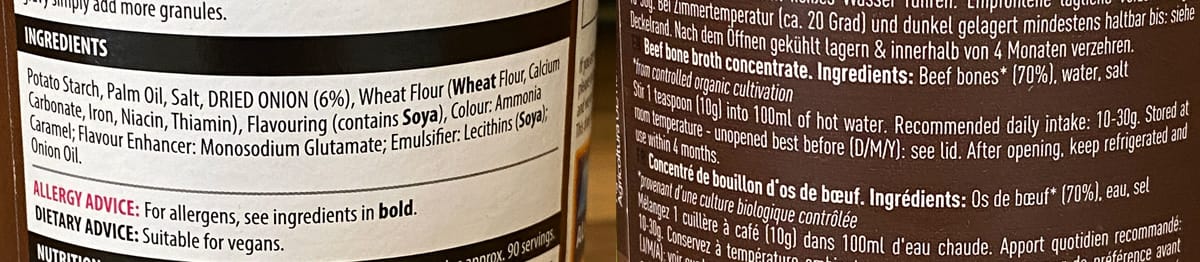
Why is Ultra-processed food harmful to health?
The fundamental reason that Ultra-processed food is harmful for metabolic health is not that it is intentionally designed to be bad for you but its goal is to increase profitability, not to provide nutritious food. The purpose of UPF is to make as much money as possible. As far as food is concerned, this goal is a natural result of the Western world's capitalist system. That is why chronic metabolic illnesses are proliferated initially in countries like the USA and are starting to spread around the world. Very few indigenous tribes who have been eating the same, simple diet for millennia develop these metabolic illnesses. Many indigenous people who have been eating traditional diets experienced very low rates of obesity and type 2 diabetes until Western dietary patterns became established.
Overconsumption is a design feature for UPF, so this is the most obvious causal factor for driving metabolic illness such as type 2 diabetes. It is usually made with highly refined carbohydrates which, along with the broken-down food structure, leads to a larger increase in blood glucose which drives excessive levels of insulin. In 2021 Kevin Hall lead a team at the NIH Clinical Center in performing a randomised control trial to investigate the theory that consuming UPF causes people to eat more. Not only did people eat an extra 500 calories per day on average and gained weight whilst eating the UPF diet, but they ate faster and their fasting insulin levels increased from 8.9 to 11.3 μU/ml and HOMA-IR (a measure of insulin resistance) increased from 1.94 to 2.14 demonstrating that UPF is a likely driver of hyperinsulinemia. This study also showed that hunger hormones increased and satiety hormones decreased whilst people were on the UPF diet. The hyper-palatability, lack of satiety and dopamine reward signalling in the brain all help to drive overconsumption which increases profitability for food manufactures. Hyper-palatability is engineered around the 'bliss point' - a concept created and developed by food scientist Howard Moskowitz, to describe the ideal proportions of fat, sugar, salt and flavours that increase pleasure and encourage continued eating. The market forces food manufacturers to maintain this approach because if they didn't make their products as appetising then the competition would drive them out of business.
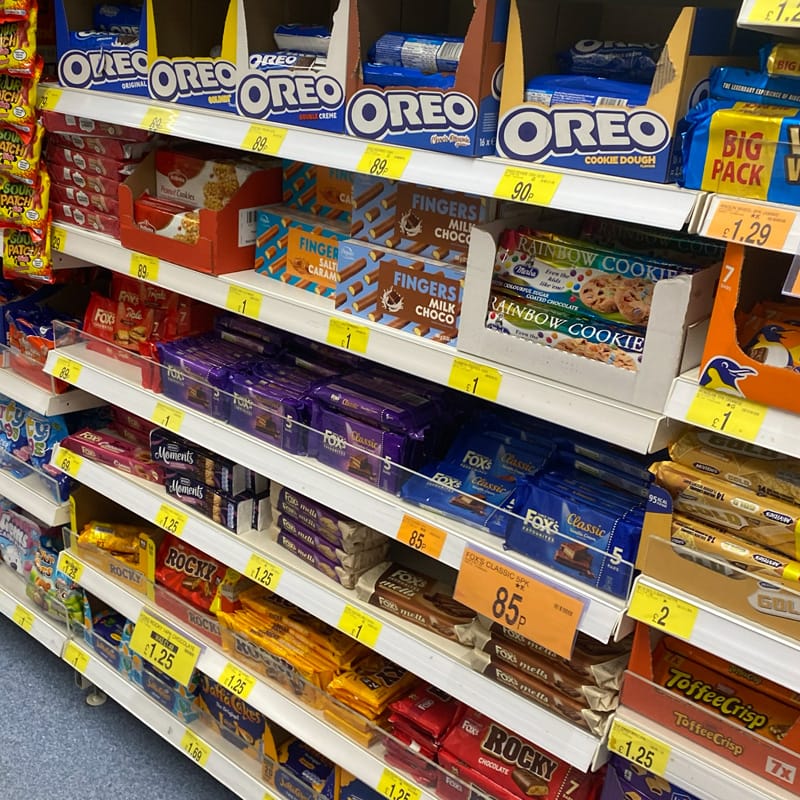
Preservatives are generally designed to kill bacteria and moulds as well as blocking oxidation of foods. As our gut microbiome contains trillions of bacteria, and our own mitochondria evolved from ancient bacteria, it's worth thinking about how these preservatives could be affecting them as well as the harmful bacteria that food manufacturers want to remove from foods in order to maintain shelf life.
Personally, I think an important contributing factor to the harm that UPF causes is evolutionary mismatch. UPF has only started to become increasingly available within the last 60-80 years. Our metabolism is a complex system that has evolved for around 300,000 years, plus millions of years as pre-Homo sapiens hominins. Our brain has a powerful influence over how we metabolise food, and if we provide our stomach with something that doesn't match what we think we've eaten, you get issues such as nutritive mismatch where food is not metabolised normally and potentially impacts appetite regulation. This is likely just one issue on the tip of the metabolic chaos iceberg that UPF is introducing to our bodies. The solution to the UPF problem is education and raising awareness - we shouldn't think of it as food but as a product. We need to stop normalising it. Government interventions may help, but often well-intentioned policies can end up causing more harm than good. I definitely think more needs to be done to ban advertising for UPF, especially when aimed at children. It should go the same way as tobacco advertising, and don't forget we were once told cigarettes were good for us.
How to avoid Ultra-processed food
If the term UPF is new to you then avoiding it completely will feel like an overwhelming task and I wouldn't recommend trying to avoid it completely. Making gradual swaps over time helps to form new habits.
The simplest approach to avoiding UPF is to check the ingredients label. If it contains things you wouldn't normally keep in your kitchen, or you don't know what it is, it's probably worth looking for an alternative.
Going to the grocers and butchers is ideal if they are available for you but for supermarkets, try to stick to the outer aisles. Fresh vegetable, meat and dairy sections tend to be the first section so start there and try to build your meals around foods from these areas as much as possible. Canned foods can provide convenience for meal preparation but check the ingredients - the cheaper options often contain fewer UPF ingredients. Try to avoid ready-made sauces, boxes of cereal and packaged snacks. If you have type 2 diabetes, then avoiding bread altogether is a good idea but if you don't want to give up bread completely look for sourdough with the least amount of ingredients possible. Getting real sourdough from a local baker is worth the time and extra cost if you can manage it. Frozen meat and vegetables can help to keep costs down and avoid waste, so this section is worth looking at for UPF swaps but inspect the ingredients lists carefully as a lot of unnecessary additives appear in what look like very simple meat products. Almost all soft drinks are UPF so if you can't stick to just water, milk, tea and coffee then look for cordials that only contain fruit, sugar and water - they are more expensive but think about the health cost you're paying for the cheaper options.
Suggested reading
Some books that really helped me to understand the machinations of the Ultra-processed food industry are below.
This is one of the books I credit with saving my life. I lost over four stone within a few years of reading this without making many other changes to my lifestyle. It gave me a good springboard to get to a place where putting type 2 diabetes into remission was a realistic goal. Once you understand what UPF is designed for and how it is aggressively marketed you find it easier to avoid and the cravings dissipate over time. I now find UPF quite off-putting. Once your palate adapts, you'll find it cloyingly sweet and the smell and texture becomes unappealing.
The Dorito Effect: The Surprising New Truth About Food and Flavor and as a follow-up The End of Craving: Recovering the Lost Wisdom of Eating Well by Mark Schatzker. The Dorito Effect dives into the detail of how UPF is engineered to be addictive - the crunch, the smell, the craving and lack of satiety combine to make us feel powerless to resist its allure. The End of Craving has a more positive outlook on how to re-engage with food, taking inspiration from his travels in Italy, Mark reflects on how their cultural allegiance to real food lies behind their ongoing resilience to metabolic illnesses that impact other areas more readily.
Something from the Oven: Reinventing Dinner in 1950s America by Laura Shapiro. This is a nice leisurely read through the history of the culture war fought by UPF manufacturers in the US since the second world war. The original TV dinners were viewed with suspicion by the housewives of 1950s America but by the persistent marketing of convenience as liberation, by prominent magazine writers such as Poppy Cannon, they managed to make traditional cooking methods increasingly 'uncool'.
Sponsored*
10% off CGMs from Glucose Evolution
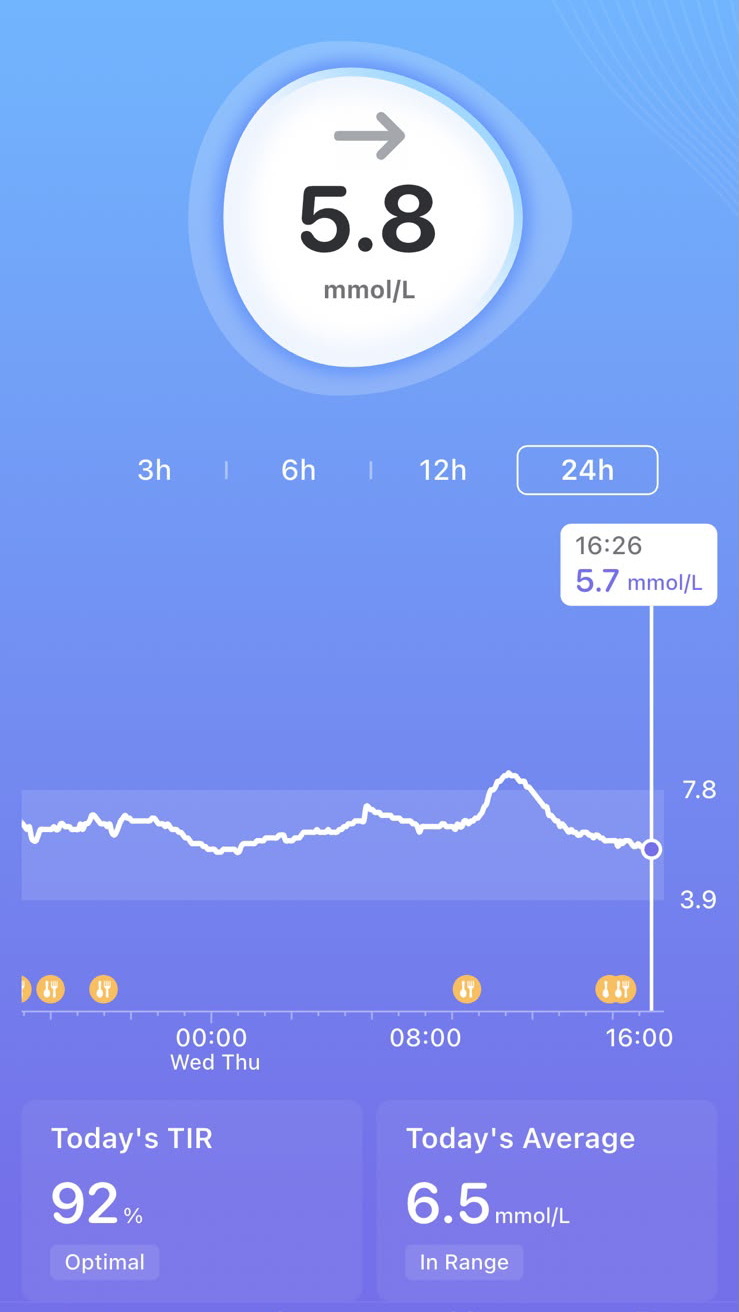
The first thing I suggest for anyone recently diagnosed with pre-diabetes or type 2 diabetes is to get a continuous glucose monitor (CGM). It completely removes the guesswork of trying to figure out what your glucose response is to different foods. There is so much conflicting opinion on nutrition that it can be difficult to identify the dietary changes that are right for your own situation. CGMs give you the feedback you need without the pain and inconvenience of frequent finger prick tests. You can get 10% off your Syai Ultra sensors by applying my War on Diabetes discount code, WOD10 at checkout. If you want to order two or more sensors, make sure to select the two-sensor product option as this works out cheaper.
Get 14 days of MyNetDiary premium for free
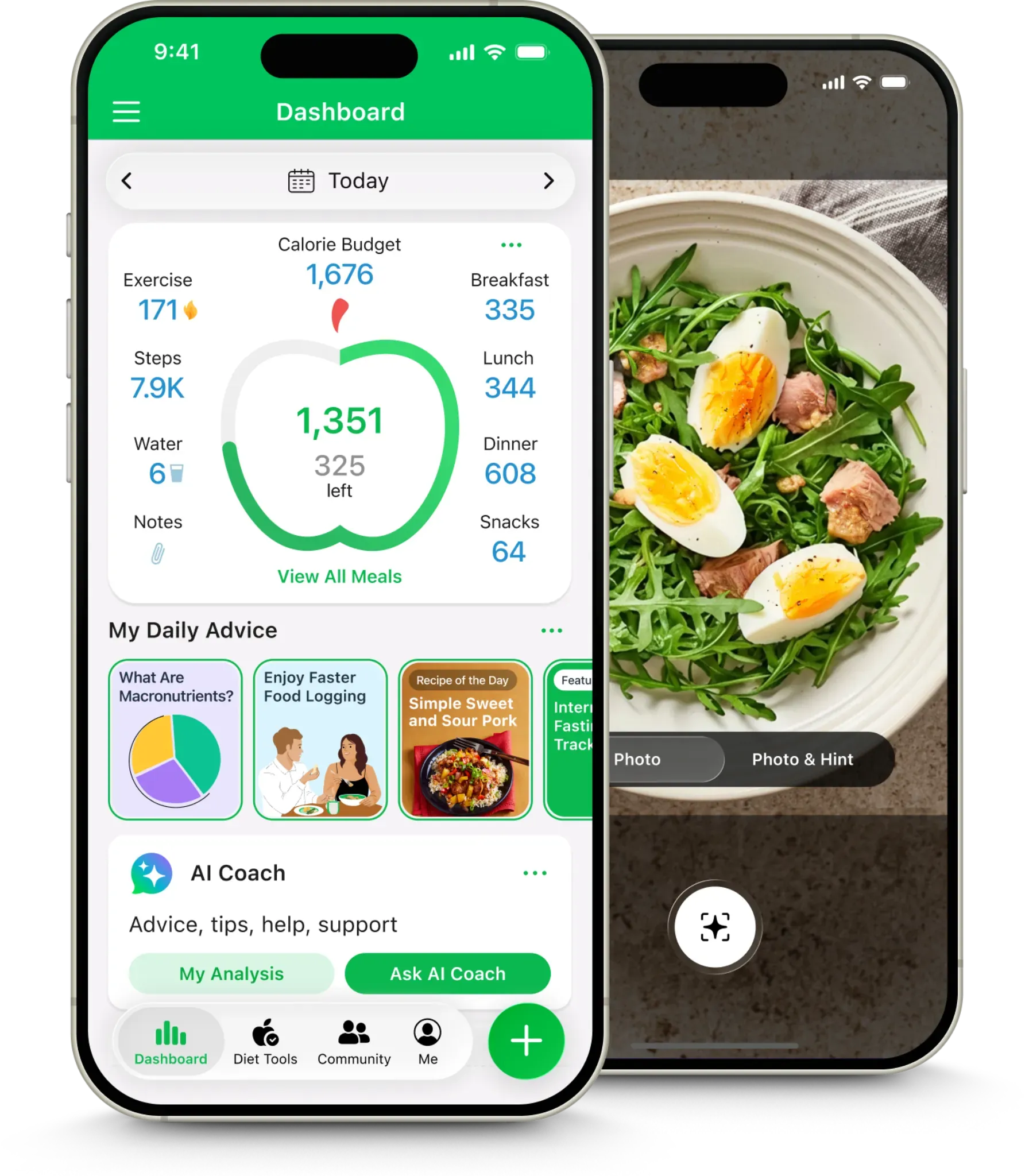
Food-logging can help with weight loss and improve health by increasing awareness of the amount and quality of the food and drink you're consuming. I use MyNetDiary for food-logging and love how you can customise the dashboard to monitor the macronutrients and other health data that you want to focus on. For example, I have added a customised target of how many grams of protein, fat and carbohydrates I want to aim for each day and this helps me plan meals to keep within these ranges. It has an AI image analysis option to help log meals which is great when you're out and about. It also has a barcode scanner which makes logging ingredients much easier when preparing meals. If you'd like to give it a try - use my code HHIYQE when you sign up to get 14 days of Premium free (the usual trial is 7 days).