What should I eat for type 2 diabetes or pre-diabetes?
Being diagnosed with diabetes feels overwhelming. It's a long journey and the first question is usually, "So what should I be eating?" and "What should I avoid eating?"
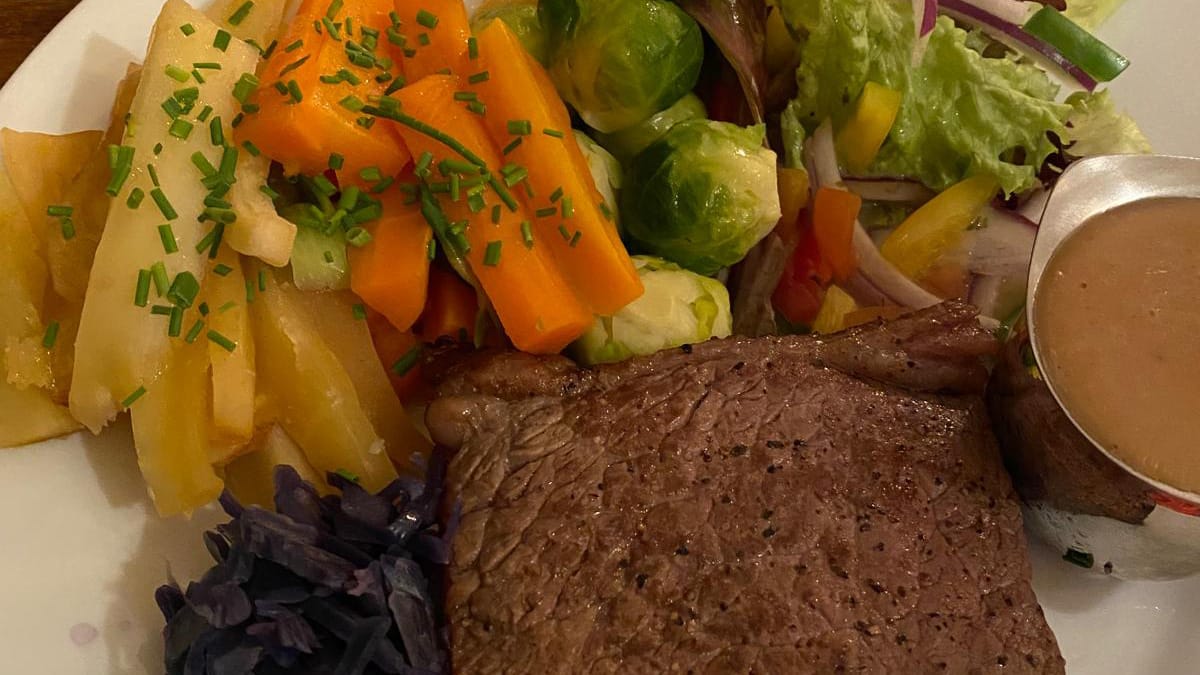
Being diagnosed with diabetes feels overwhelming and the volume of information about this condition will take time to digest. Managing your diabetes is going to be a life-long task so take it one day at a time. I find changing one thing at once makes things more manageable and helps with habit-forming.
If you've just been diagnosed with diabetes, be kind to yourself and take it one step at a time. It's a long road and the first question is usually, "So what should I be eating?" and "What should I avoid eating?" As someone with six years' experience of managing type 2 diabetes and getting to a point of remission, I can share what works for me and some of the harmful dogmas that I needed to overcome in order to make real progress.
Food and drinks to avoid
Here are the top things to avoid or reduce from your diet. Start with reducing these rather than trying to remove everything at once. It took me five years to give up tomato ketchup!
Ultra-processed food - UPF
Packaged food, ready meals, breakfast cereals, granola, protein bars, ready made sauces, soda (yes, that includes diet soda), cordials. Check the ingredients list for anything that you don't recognise. If you wouldn't have it in your kitchen, then it's probably UPF. The preservatives and fillers in these products are designed to give them a longer shelf life which is there to improve profit margins, not your health. There's also no such thing as 'natural flavouring', a natural flavouring would just be an ingredient e.g. strawberries.
Mashed or blended foods
When foods are blended, mashed or juiced, you're breaking down what's called the 'food matrix' - this is the structure of the food particles that helps to slow down the absorption of glucose.
Grains
Bread, rice, pasta, oats, quinoa, bulgar wheat.
If you absolutely must have bread, then sourdough, and especially rye bread tends to have a lower glucose impact. The main thing you want to avoid is UPF bread which contains ingredients other than water, flour, yeast and salt.
One thing I don't completley give up from this list is pasta which I still have once or twice a week. This is usually linguine which I find gives me less of a glucose spike than pretty much any other kind of pasta. I'd usually limit a pasta portion to around 30-50g per meal.
The Italians don't fortify their flour which is possibly one of many reasons they have much lower obesity and diabetes rates than in the UK, so I think it's worth buying authentic Italian pasta where possible.
Fruits to avoid
High glycemic load fruits should be avoided. You'll find these are mostly tropical fruits such as pineapples, mangos and bananas. The tropical climate gives them more exposure to sunlight and warm temperatures which concentrates their sugar content. Grapes are also surprisingly high in sugar content and concentrated versions such as raisins and sultanas are even more concentrated. Dried fruits such as prunes and dates should also be avoided.
Drinks to avoid
The obvious ones to avoid are sugary soft drinks, but energy drinks, fruit juices and smoothies are also full of sugar which will give you a hefty glucose spike. The body doesn't care if it's refined sugar granules or fruit sugar, sucrose is fructose and glucose combined, regardless of the source. Gatorade was originally designed to keep University of Florida's American footballers well hydrated but the players complained that it tasted awful and when the company was eventually taken over by Quaker Oats Co (and eventually PepsiCo) the more palatable, and therefore more profitable higher levels of sugar inevitably crept in. It's worth remembering that these drinks are designed and marketed for professional athletes so they are completely inappropriate for people struggling with obesity and/or insulin resistance.
Diet soft drinks and flavoured cordials also fall under the category of UPF. These products are designed to be profitable from overconsumption. They often drive hunger signals up and there are also potential issues with nutritive mismatch, where unmetabolised glucose remains stuck in the blood stream.
Alcohol should be avoided as much as you can manage. Cider, lager and sugary alcopops are going to be the worst option as they contain a large amount of sugar.
Food and drinks to enjoy liberally
Herbs, spices, garlic, salt and pepper
Avoiding artificial flavourings and ready made powders and sauces doesn't mean you have to endure bland food. Use good quality sea or rock salt as they contain minerals needed for good hydration and important metabolic functions. Processed table salt contains high levels of sodium which is generally considered to be too high in most diets. Fresh herbs are great when available and pack more nutritional punch than dried. It's worth trying to grow your own herbs but they can be more faff to keep fresh and prepare so there's nothing wrong with using dried herbs but do check for any UPF ingredients such as preservatives or fillers. I find supermarket-own brands are better than established brand names.
Garlic is an excellent source of Vitamin C and sulphur. Crushing a clove of garlic and leaving it for a few minutes before eating can help boost the sulphur compounds available. I've tried having a daily raw clove but it's a difficult habit to commit to as the flavour can be overpowering.
Black pepper contains piperine which helps with absorption of beneficial compounds such as curcumin - a polyphenol contained in turmeric which has been shown to potentially upregulate the production of BDNF which keeps your brain healthy and can also help to improve insulin sensitivity. There are many documented health benefits of these type of spice combinations and I'm sure there are many more that we're not even aware of yet so I think it's good to practice mixing lots of different herbs and spices to see what you enjoy best.
Meat
As well as providing the bulk of fat and protein that you will need if you are going to have a sensibly alow carbohydrate diet then it's worth considering meat to be your main source of calories. Carnivore diets are becoming increasingly popular due to the remarkable health outcomes that many people are reporting when starting on a meat and dairy only diet. A ketogenic diet is a less strict version of this where carbohydrates are typically restricted to around 5-10% of your daily total macronutrient composition. I love having a variety of vegetables with my meals so I wouldn't want to eliminate vegetables altogether and you can get type 2 diabetes into remission without going to these extremes. It will take longer though!
Fatty meats tend to have the most benefit for glucose control. These are lamb, chicken thighs rather than breast, fatty cuts of beef, etc. Avoid low fat minced beef. I find it infuriating that minced beef is advertised as being better for you if it's 5% rather than 20%. Well the higher fat option is cheaper anyway so don't be fooled by the marketing nonsense and go for organic and grass fed if you can afford it.
Pork is a cheaper alternative to beef and lamb. Choose the least processed options. You need to be mindful with any processed meats - chorizo for example can be traditionally cured or be packed with preservatives so check the ingredients. I find buying sausages from the supermarket easier than the randomness of butchers because there can often be a lot of rusk or some starchy ingredients added without you knowing. The supermarket nutrition labels will give you a guide as to what ingredients are included and look out for anything more than 1g per 100g sugar (1%). Heck 97% pork sausages are one of my go-to regular options. I still include bacon maybe once a week. If you're worried about the health issues of nitrites then combining with Vitamin C such as some roast bell pepper, tomatoes or berries can help to alleviate the risks.
Organ meats can be an excellent source of nutrients. If you're considering a carnivore diet as liver can contribute to Vitamin C intake. These foods were traditionally considered a normal part of people's diets but now the flavour and texture can seem a bit daunting. Give different things a try and see what works for you. Personally, I cannot stand the smell of kidney but I can tolerate a small portion of pan fried liver a few days a week. Beef and lamb liver are amongst the top sources of dietary copper which is important in iron regulation and energy metabolism within mitochondria.
Seafood
Shellfish such as oysters, clams and mussels. Also fatty fish such as sardines, salmon, herring, mackerel, anchovies and tuna.
Oysters are another good source of copper and are one of the best sources of zinc. They are also an excellent source of B12 vitamins, as are clams.
I wish I could learn to like sardines as they are one of the most nutrient-dense foods available, with an extremely low glucose impact, but seafood is one of the few things I really struggle with. It's okay to avoid some foods if you really don't like them but try to look for alternatives to match the nutrients you're missing out on. Fatty fish are a great source of selenium, iodine, tyrosine, and omega-3 fatty acids such as EPA and DHA.
Avoid farmed fish as much as possible as they are more susceptible to disease and as such are fed a lot of antibiotics. Line-caught is also the best option from an environmental perspective.
Dairy
Full fat dairy provides good dietary sources of Vitamin B12, calcium, tryptophan and C-15 omega-3 fatty acid which helps to improve insulin sensitivity.
Goats cheese, parmigiano, pecorino, parmesan, feta
Grass-fed organic and unpasteurised cheeses are the best (in my opinion) for metabolic health. I'm also a big fan of traditional English home counties cheeses. I prefer the more organic and traditionally prepared versions. It's an sad stereotype that English food is terrible - anyone who thinks this should try some of our proper cheeses. Wensleydale is a great place to visit and you can have a tour of the OG creamery in Hawes.
Full fat cottage cheese is also a great alternative to mayonnaise for combining with tuna. Avoid the low fat nonsense as it's higher in sugar and has more of the nutrients stripped out of it.
Full fat Greek yoghurt
All of the above health benefits and can be a quick and easy breakfast or lunch option. If you're really in a hurry you can just add some nuts, berries or dark chocolate straight into the pot which saves on washing a bowl. I find yoghurt does give me a bit of a glucose spike on my CGM so I try to not to have more than a few spoonfuls (around 80-120g). Adding nuts will help you stay full.
Avoid low-fat and flavoured yoghurts because removing the fat strips out much of the nutrient value and is often replaced with sugar or artificial flavourings.
Kefir
Similar nutrient benefits to milk and yoghurt but with added probiotic benefits. Avoid flavoured and highly processed options. I find different kefir products have a range of viscosity so some might be great for chia pudding but the more chunky ones are best as an almost cheese/yoghurt substitute.
Whole non-homogenised organic milk
I'll cover more about the saturated fat dogma later but I spent most of my life believing that skimmed milk was a better option. I'm now of the opinion that you want to keep the saturated fat in because it is more satiating and means you won't be reaching for as many carb-heavy snacks during the day. Also, the fat contains most of the nutrition so stripping it out makes no sense. I avoid homogenised milk as I also have concerns about xananthine oxidase - this is a protein-digesting enzyme which is great if it's in your stomach but you probably don't want it in your bloodstream where it will be delivered to your internal organs. The theory goes that homogenising milk breaks down the larger fat molecules that contain this enzyme and that makes it easier for it to pass through the small intestine into the blood stream. There are a lot of articles proclaiming the safety of homogenised milk... Please make your own mind up, but I've learned to be very suspicious of industry funded research and I just believe that denaturing food is the root cause of our current metabolic health crisis. Raw vs. pasteurised is another contentious issue around milk. If you trust the sanitary environment of your milk provider then that's up to you but it's definitely worth being wary of bacterial contaminants of mass produced milk, especially if you're pregnant.
Organic eggs
In the UK eggs have numbers printed on them which relates to the 'grade' of how organic/free range/caged they are. Pick the best ones you can afford and if they're from pasture-raised birds then that's even better. Look for local farms that sell their eggs direct. If you have the room to set up your own brood of hens then great but look forward to a lot of work cleaning up after them!
- Organic
- Free-range
- Barn
- Caged
Green vegetables
Broccoli, cabbage, cauliflower, sprouts are all good options. Buying frozen vegetables can help with managing costs as they won't spoil as quickly. They also have the benefit of being pre-prepared so there's less washing and chopping.
Mushrooms
Mushrooms contain high levels of B vitamins, proline, L-theanine, selenium and antioxidants. Lion's mane mushrooms have also been shown to increase BDNF levels although finding them can be a bit tricky. I find frozen ones lose all flavour but can be handy to throw in a pot if you're running low on fresh supplies.
Drinks
Water, tea, coffee, real cocoa.
Water is pretty much the only thing humans have evolved to drink but we have manufactured a society that struggles to come to terms with drinking plain water rather than some artificially flavoured product. Tea and coffee can have some health benefits but also some risks with excessive caffeine. I try to avoid any caffeinated drinks after 5pm as it can disrupt sleep due to its effects on cortisol levels. Real cocoa can be made with cacao nibs. I grind them and soak in hot water. You could use milk instead, as long as you're mindful of the contribution to your daily carbohydrate intake.
Herbal teas are a good option as they generally provide additional nutrients and electrolytes. Along with black coffee, they also don't break your fast if you're trying out any fasting routine. Make sure they don't contain any flavourings or UPF ingredients. I've found Pukka are usually UPF free but do check the ingredients. Also Yogi Teas* have organic ingredients and are great value for money. You can also make your own teas by foraging for local plants - nettles, dandelion and blackberry leaves are my go-tos.
Food and drinks to have in smaller amounts
Nuts and seeds
Almonds, Brazil nuts, hazelnuts, walnuts, pumpkin seeds, chia seeds, flaxseed, basil seeds.
Nuts are a fantastic source of nutrients and electrolytes, particularly selenium and magnesium. I much prefer having them to artificially manufactured electrolyte powders. They are very energy dense and do contribute to your daily carb intake so it's important not to overconsume nuts. Their high fat content does mean that they are very satiating so I've never found overconsumption a problem. Issues arise with nuts if they are processed with industrial oils and too much salt added to them. This does promote overconsumption and depletes their nutrient content so stick to whole, preferably organic nuts.
If you're worried about fibre, then chia seeds are an excellent source. Make sure to pre-soak them in water or milk first as they can cause digestive issues if eaten dry. I do enjoy chia pudding but I find having to prep ahead means I often forget.
Root vegetables
I find potatoes, carrots, parsnips and squashes aren't too bad in small portions. A small portion for me is typically about 2/3 of a handful. I generally get baby potatoes rather than the large ones and have about 3-4 of them roasted. As they are small, they tend to cook faster as well which is a bonus. Cutting them up also speeds up cooking. Don't bother peeling them, just give them a good wash. Roasting seems to be the best cooking method for keeping my glucose levels stable. Adding pre-cooked root veg that has been cooled in the fridge to a salad or reheating them is also beneficial because it creates resistant starch which is a form of glucose that the body finds less easy to absorb quickly so you'll get a lower glucose bump.
Onions are also surprisingly high in carbohydrates. Not quite as much as potatoes but they can quickly add up so I try to limit myself to no more than half a medium onion per portion. They are a powerful flavour enhancer for many meals I like to cook so I don't exclude them. I used to liberally add pickled onions to salads but I've found they give an unecessarily high glucose bump so I limit myself to just one now. Make sure to check for preservatives when buying any kind of pickles - the only other ingredients should just be vinegar, salt, pepper, and spices. If you find onions problematic then you could try leeks or asafoetida as an alternative from a flavour perspective.
Legumes
Beans, lentils, peas, broadbeans, peanuts, cashews
Peas have a surprisingly high glycemic load. You don't need to avoid having legumes altogether but be mindful of the impact on your glucose levels. I'd usually opt for cruciferous vegetables such as broccoli or sprouts instead but don't panic if peas come with a roast dinner at the pub, just don't eat all of them if it's a large portion.
I enjoy sugar snaps, mangetout and broadbeans so I just add a smaller than normal portion to my meals. I once made a chilli with a variety of beans and lentils which delivered a bigger than expected glucose bomb.
Sweet corn is half-way between a legume and a grain. It's surprisingly how much of a glucose spike you'll get from it so I tend to avoid it, but it is nutritious and if you enjoy it just adjust the amount of other carbs you're having for the day.
Drinks to have in smaller amounts
Dairy
Dairy milk can be easy to overconsume. For me, I aim for 2-3 cups of tea or coffee with milk per day although it can admittedly get up to 5-6 especially in the winter months. This ends up being a way of microdosing glucose and stacks up on the net carbs quickly. Unlike sucrose, lactose doesn't contain any fructose so it's not as bad as drinking a sugary drink.
Alcohol
If you're going to drink alcohol then the best options are spirits or drier wines, especially red wine. It's a common misconception that wines are high in sugar. For example, a typical medium 175ml glass of red wine contains about 1g of sugar. However, alcohol is metabolised in a similar way to sugar in that it still ends up being converted to fat which blocks effective functioning of the liver. It is a bit like the yeast has just done the first stage of digestion for you so it is still a driver of insulin resistance.
Spirits generally contain no sugar but they can be problematic when drinking them neat so an ideal mixer is soda water which you can mix with the juice of a lemon or lime. Good quality lemons will have a less harsh taste and this makes a good substitute for tonic water which contains a lot of sugar.
If you can quit or avoid starting any alcohol, then that's the ideal situation but controlling the sugar content of the alcohol you do drink will be beneficial.
Diet dogmas
When I was first diagnosed, I was given the usual standard advice of 'avoid sugar' and 'lose weight', both of which are good points to make but the general advice is confusing when it comes to the details. For example, advising people to eat apples, Weetabix and wholegrain foods is confusing. These are simply slightly less-bad options than pineapples, Cocoa Pops and white bread respectively. Also, at no point in any medical consultation, has anyone ever told me the most important detail on how to lose weight.
Weight loss dogma
"Eat less, move more."
Moving more implies that you're overweight because you're not doing enough exercise to 'burn off' excess calories. This way of thinking doesn't really help weight loss because your body will adjust its calorie-burning rate, known as basal metabolic rate depending on a range of your daily energy demands for different physical processes. Exercise is great for your health and will help with your diabetes but the most impactful method to achieve weight loss is dietary changes. This is why I prefer the mantra "Eat right, move regularly."
To lose weight you need to reduce levels of insulin in your blood stream. Insulin is a vital hormone to keep you alive - it has two basic functions - to get energy into your body's cells and to drive fat storage. You cannot lose weight if your insulin levels are constantly elevated. In the case of type 2 diabetes or pre-diabetes, the main problem is insulin resistance which is your body's cells refusing to accept glucose that is circulating in the blood to use as energy. I suspect this is because mitochondria eventually become damaged from excessive oxidation of glucose. Type 1 diabetes is a completely different condition where your pancreas cannot produce insulin. Both type 1 and type 2 diabetes have the same diagnostic condition of high levels of glucose in the blood, but type 2 involves high levels of insulin whereas type 1 is a lack of insulin. Since the introduction of insulin therapy in 1922, there has been a long history of discussion over the right amount of insulin vs carbohydrates to give to diabetic patients. With the immediate life-saving results for type-1 diabetics insulin therapy was rightly hailed as a fantastic breakthrough in diabetes treatment. The problem arises in the historical debate because both types of diabetes are combined in general thinking but they have two completely different underlying causes leading to the diagnostic outcome of excessively high blood glucose.
For type 2 diabetes, it's important to reduce general levels of insulin in order to lose weight and improve insulin sensitivity. The most effective way is to reduce glucose levels in the blood by reducing the consumption of carbohyrdates. It doesn't really make any difference to short-term glucose levels if you're eating sugar or starch. Both get broken down into glucose quickly by the body. The only difference with sugar is that it contains fructose which is a driver of insulin resistance.
Heart-healthy wholegrains dogma
One thing I have come to realise is that any health-claim label on a packaged food is almost always pure marketing and has very flaky scientific backing of any actual health benefits. I avoid anything that says 'low fat', 'high protein, or 'heart healthy'. Healthy food doesn't have marketing because the profit margins don't cover the cost of the designing, printing, packaging, advertising etc.
If you're battling type 2 diabetes or pre-diabetes, the most effective thing to cut from your diet is any kind of grains, including wholegrains. Another dogma attached to this, is that you need glucose from starches to give you enough energy for the day. Yes, if you're a professional athlete or have a very physically demanding job, replenishing your glycogen stores is going to be important but if you're reading this, it's much more likely that you have excess body fat that can provide adequate glucose from gluconeogenesis. Your liver and muscles store glucose in the form of glycogen - this is a rapid access energy store that is used for energy when required. In order to lose weight you need to regularly deplete this glycogen store in order to activate gluconeogenesis and get your metabolism into fat-burning mode.
The saturated fat dogma
I find it genuinely amazing that the US government is now leading the recognition that the dietary fat hypothesis has been largely debunked after being the original driving force behind the dogma since the 1960s. This is the idea that saturated fat causes increased cholesterol build up, which then causes atherosclerosis - the blocking of arteries that contributes to a higher risk of having a heart attack. Saturated fat consumption will increase LDL cholesterol to some extent but the second half of the causal logic (in mine and many scientists views over the last 100 years) is both incorrect and deeply flawed. LDL cholesterol is an important building block of tissues such as brain cells and is vital in supporting your immune system. It only contributes to atherosclerosis when it is oxidised (partly due to the overconsumption of carbohydrates which drives inflammation). Standard blood tests won't tell you the level of oxidation of LDL cells so taking statins to destroy healthy LDL strikes me as absurd. The main takeaway for diabetes management is to stop fearing saturated fat in the diet. 100 years ago it was generally encouraged for type 2 diabetes as it helped to reduce blood sugar before the introduction of insulin. The two world wars resulted in a shift of perceived leadership in nutrition science from Europe to the US and we've been paying the price with our health ever since. In my view, they're right on this occasion but I've learned not to trust government advice or tinkering with our food systems.
The healthy vegan diet dogma
If you have ethical or religious reasons to avoid consuming any animal foods then I respect that, but it is going to make managing or reversing type 2 diabetes much more difficult. The main reason for this is that all plants are built mainly from carbohydrates rather than protein and fat. Some plants are a good source of protein but it is important to be aware that they do not contain complete proteins and they will be lacking in essential fatty acids.
If you want to follow a vegetarian or vegan diet it's probably best to focus on cooked cruciferous vegetables combined with a variety of legumes and root vegetables in limited portions. If you can include some seafood or dairy such as eggs, butter and cheese that will help to provide nutrients and vitamins that will be lacking in the vegetables and it's important to look into the necessary supplements to make sure you're not missing out on vital nutrition.
Try to avoid grain-based milk substitutes such as oat milk. Nut milk such as coconut milk or almond milk will have a lower glycemic load.
The five-a-day slogan
This one drives me particularly crazy as it implies some kind of limit on the variety of vegetables you can enjoy whilst also promoting sugary fruits as an equally healthy substitute for broccoli. Modern fruits have been genetically modified through selective breeding over centuries to be higher in sugar and lower in fibre than our not-too-distant ancestors would have been eating and even then, they would have only been eaten in season to help us fatten up for winter. Five portions of asparagus is going to be much better for you than five portions of pineapple! Also, it's important to be aware of the fact that your body doesn't care if sugar is natural or artificial, it still results in the same amount of glucose and fructose into your bloodstream.