War on diabetes newsletter 3rd April 2026
Welcome to the seventeenth War on Diabetes newsletter - regular tips and ideas from someone who has had diabetes for six years and learned a lot about it. It's a practical and actionable guide to the kind of details that your doctor probably won't have time to tell you about.

Spring seems to be slowly on the way and I'm looking forward to being able to get out on more walks. The stormy weather last week got my average daily steps down to a measly 8,600. I hope you all have a great time over the Easter holiday and try to stick to the real eggs instead of the chocolate ones.
Progress update
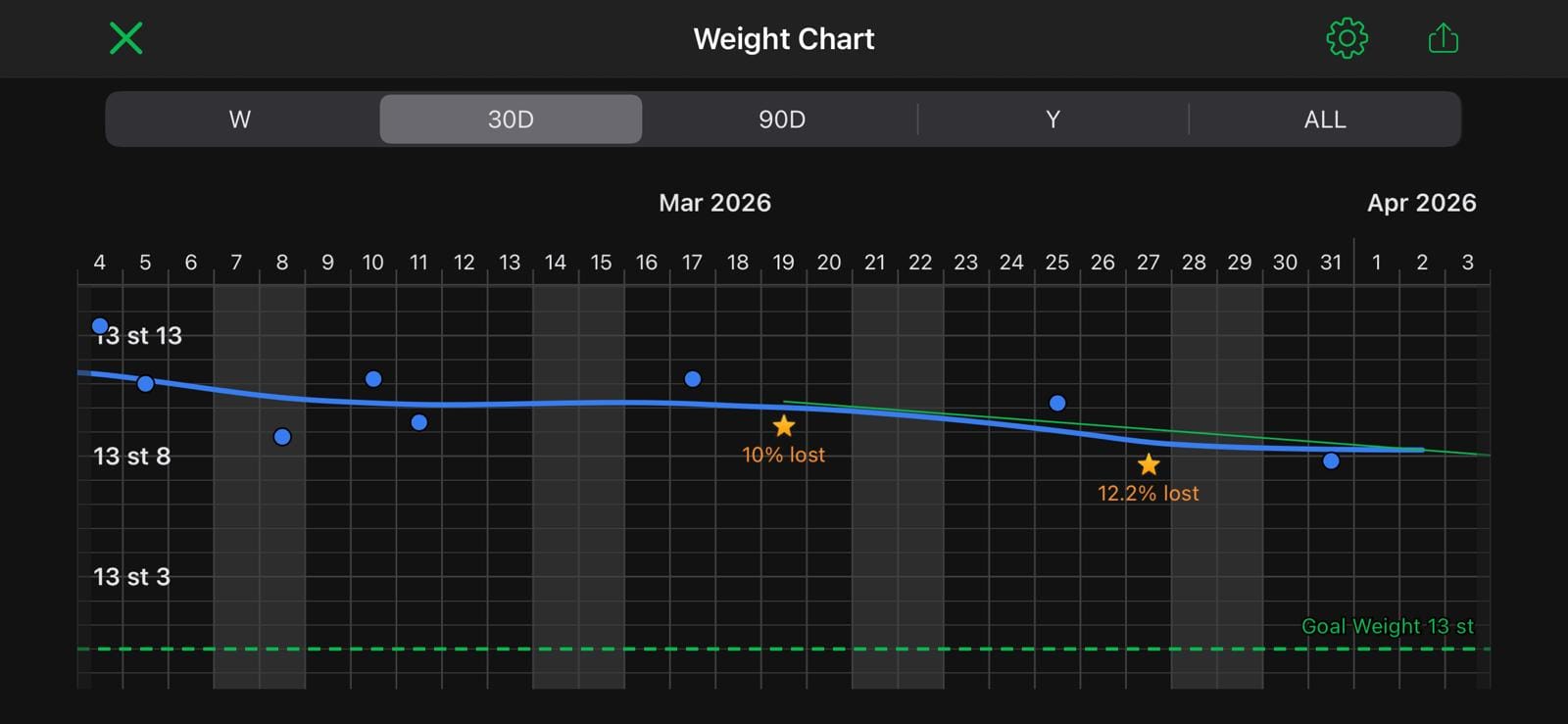
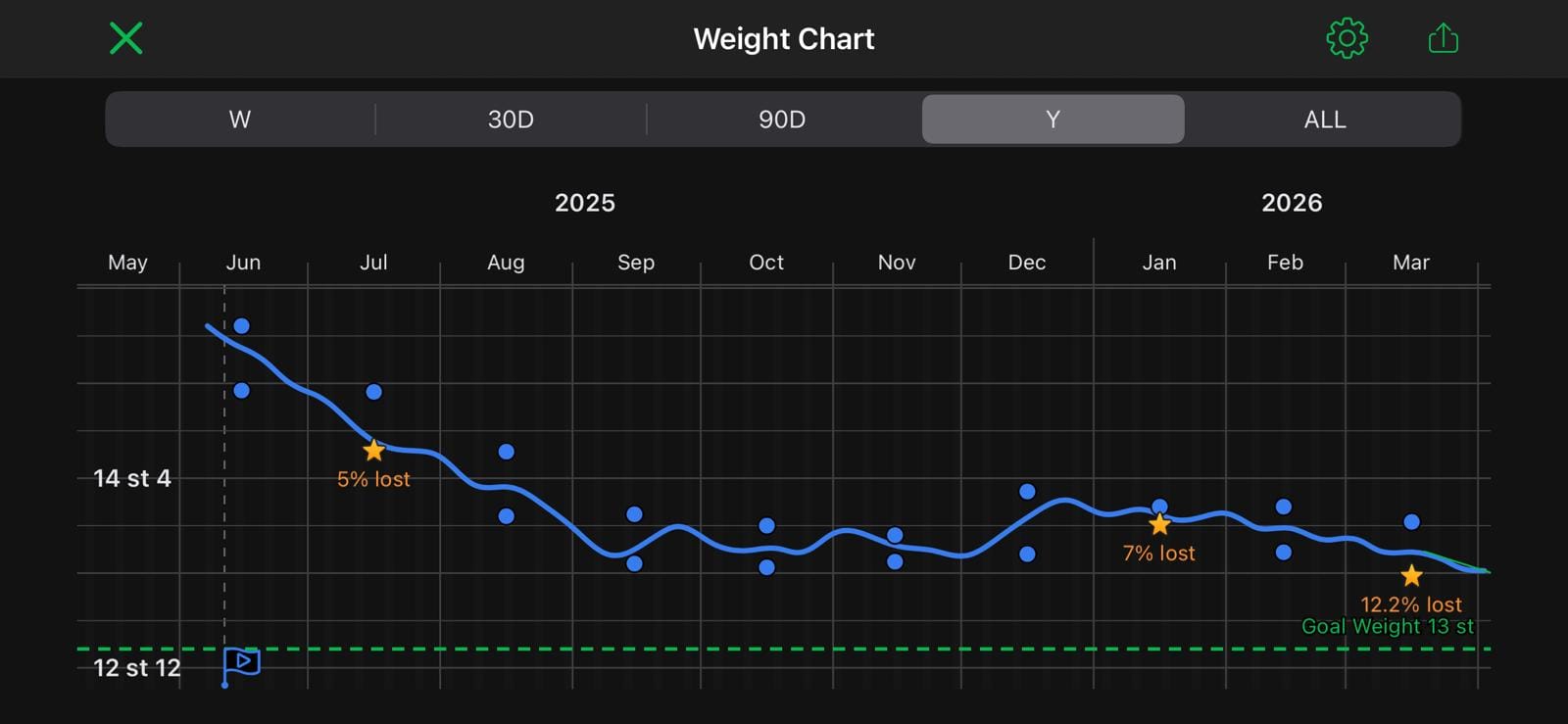
I've just completed an eight-week weight loss course organised by a charity called Public Health Collaboration (PHC). My main goal was to put my two-week Christmas wobble behind me and make sure I was back on track. PHC work with NHS practices and organisations who are open to trying low-carbohydrate plans for type 2 patients who want to achieve remission and for general health of company employees. The course was run by the veracious Angelika Searle in Bolton. She won't mind me saying that she is evangelical about low carbohydrate diets! PHC have a scientific advisory committee chaired by Dr David Unwin, an NHS award-winning GP, who has helped 156 of his patients achieve drug-free remission from type 2 diabetes.
You can access the course content for free on YouTube but I have found our regular group meetings very inspiring, and they have given me confidence in my approach as other people are also achieving remarkable health outcomes from a low carbohydrate lifestyle. Notably relief of arthritis and gastric issues, as well as increased energy and even more surprisingly... my tinnitus has cleared up. I hadn't even thought about that, but as someone else mentioned it, I noticed that I haven't had any episodes for about a year.
Despite having some never-again disaster meals on my CGM-testing routine, I still managed to lose four pounds and have finally broken through the 13 stone 8 level. As you lose weight, your body naturally hits plateau levels and it's important not to give up during this period. Once your body has adapted for long enough to carrying less fat storage, it will effectively stop panicking (adaptive thermogenesis) and will start to more readily release fat stores again.
The big CGM review
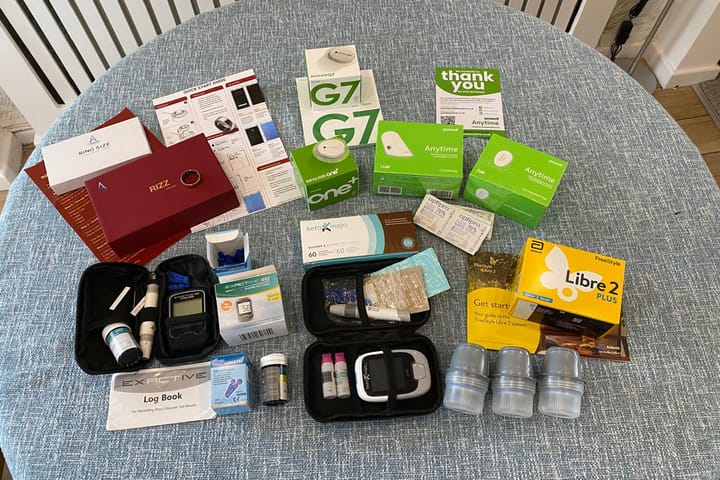
At the start of March I decided to try out some different CGMs. As my current Libre 2 CGMs are costing me around £1,400 per year, I was interested to see if there are cheaper options and to try something out of my comfort zone. I'd also finally managed to get hold of my new RIZZ ring from Ambrosia Systems and wanted to do a side-by-side comparison to see if it could potentially rid me of the regular ongoing CGM bill.
Testing accuracy meant at least 4 finger prick tests per day which was no fun and reminded me just how grateful I am to my CGMs for helping me see a full day's worth of glucose data with so little pain and effort.
Logging every meal and exercise session across six different apps has been hard work so I'm relieved to be back to just my one CGM and MyNetDiary again.
Food devils
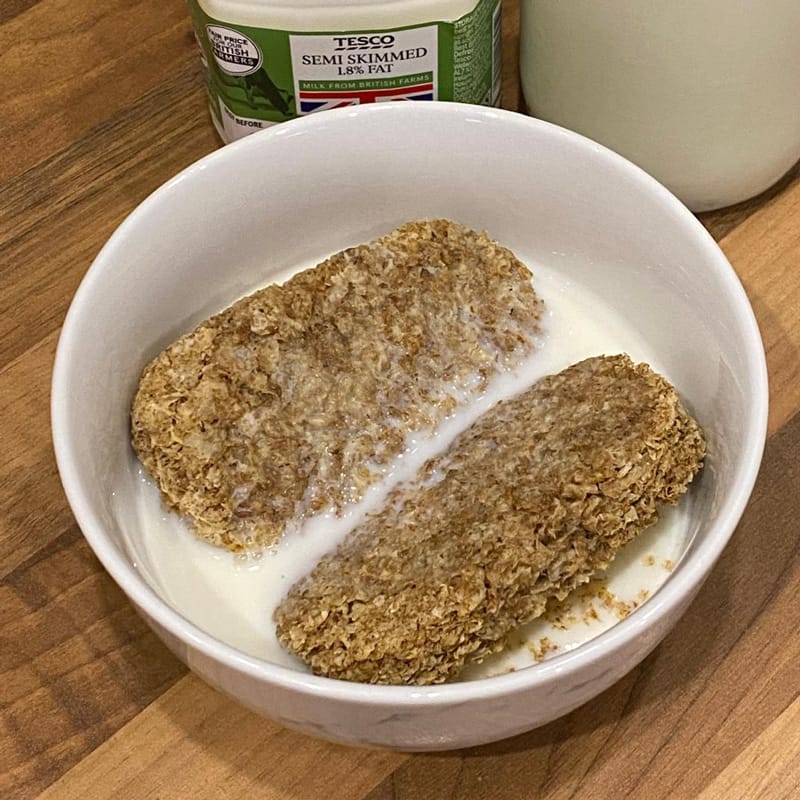
Weetabix
The first time I've had breakfast cereal since I started wearing a CGM and it did not disappoint my expectations of a massive glucose spike. I cannot believe this is still recommended for type 2 diabetes and children.
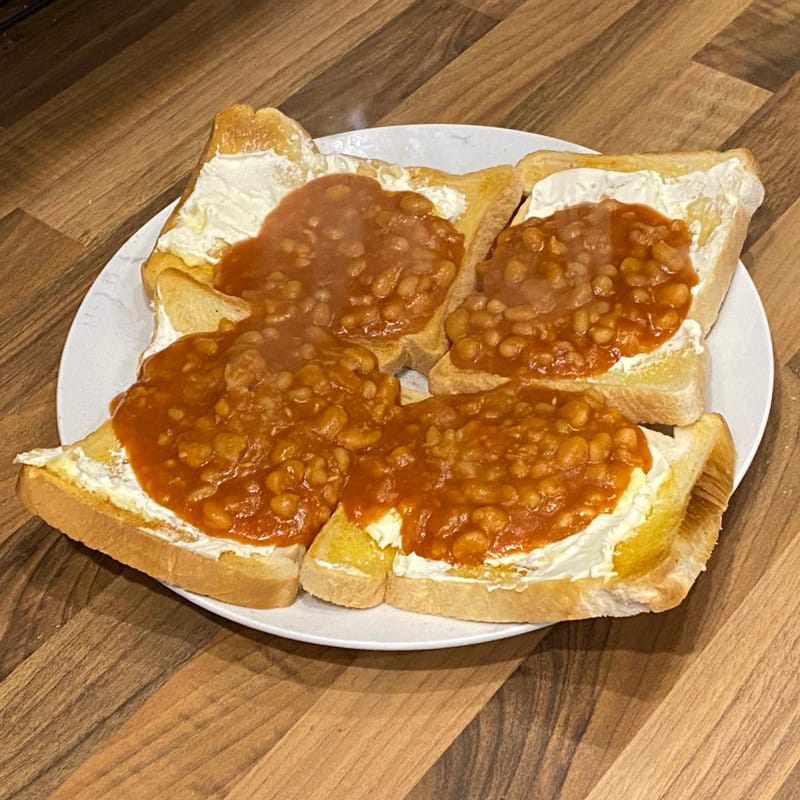
Beans on toast
A classic northern comfort meal - I used to have this regularly unaware of the metabolic damage it was doing. Type 2 diabetes isn't just caused by too much sugar, it's carbohydrate overload.
Chippy tea
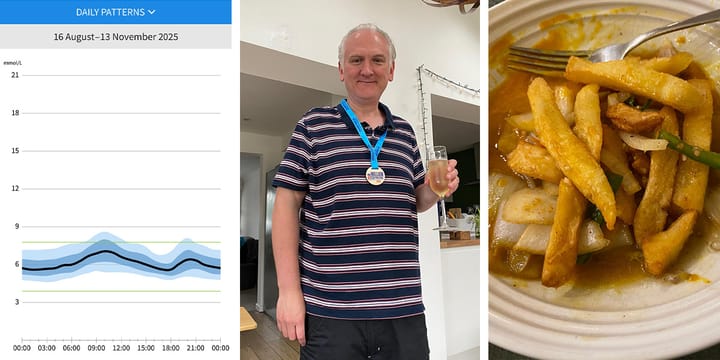
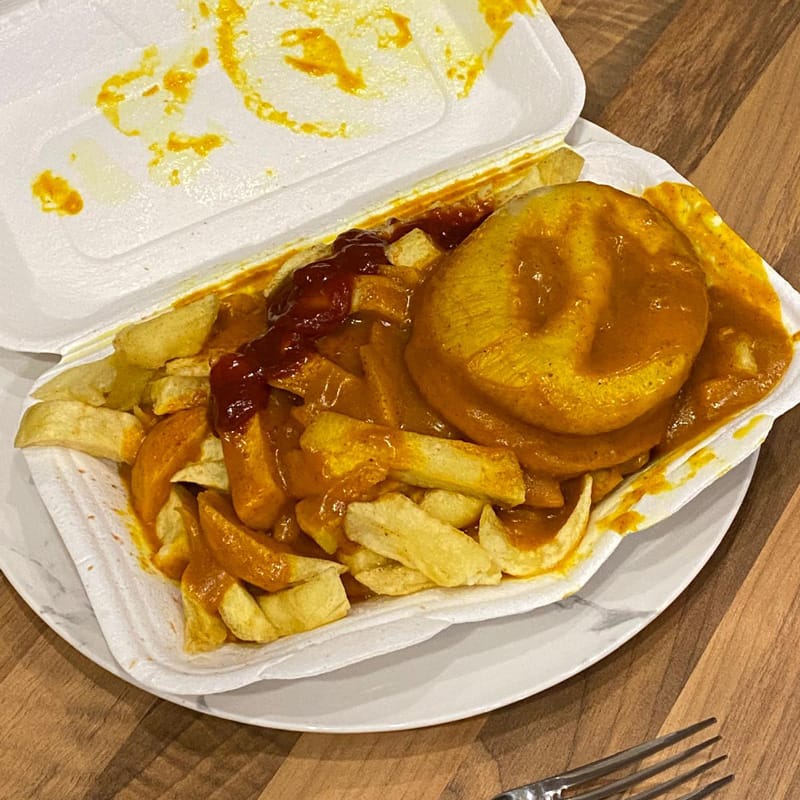
Okay, I did go overboard with this one. I wanted a full-on high-glucose meal to really stress test the CGMs at high glucose levels. I felt bloated and a little bit unwell for about 12 hours after eating this.
Quiche
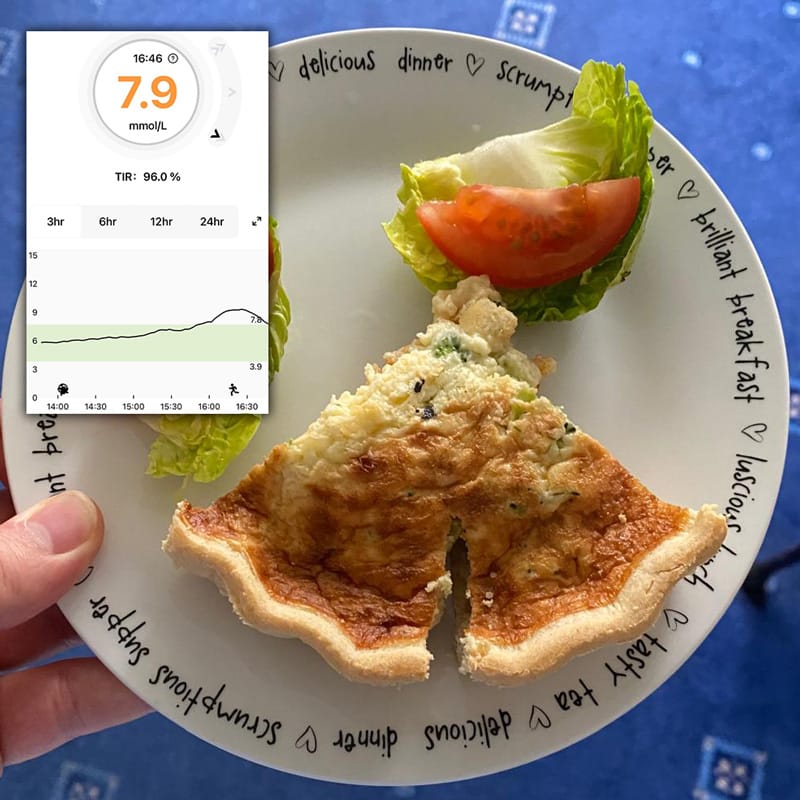
My Dad had some party food for guests and I mistakenly thought the fat content from the eggs in this UPF quiche would blunt the pastry glucose bump but this one was a shocker.
Food heroes
Pork meatballs
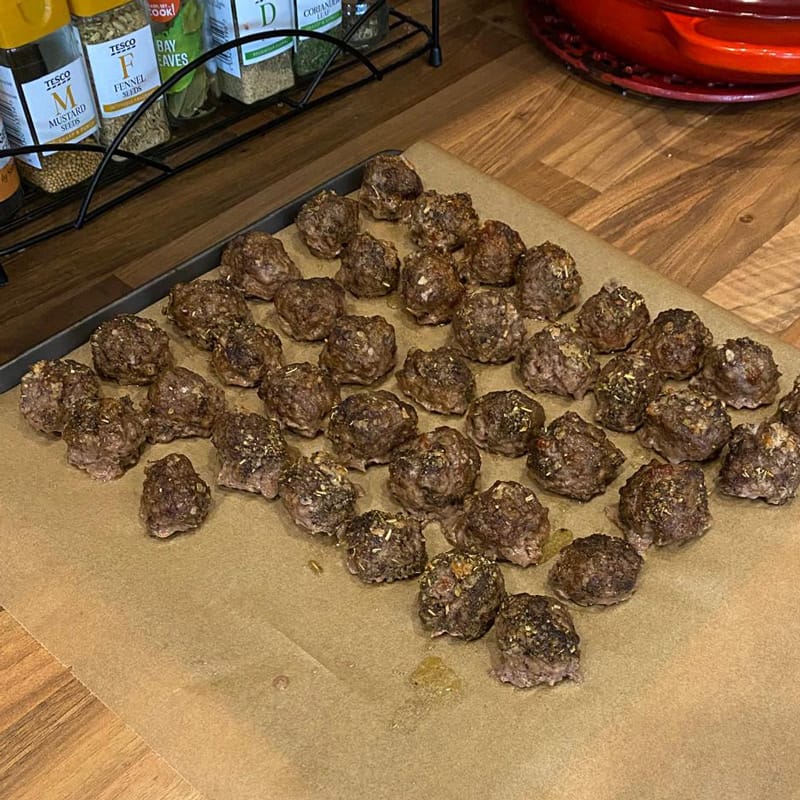
My PHC course inspired me to try out more meat-only dishes (I've pretty much quit potatoes). These meatballs are made with pork mince which is relatively inexpensive. For a slightly higher price, you can get a mix of pork and beef mince which has a richer flavour. They take about 20 minutes of prep and 30 minutes in the oven and then I get two weeks' worth of quick snacks and they are surprisingly satiating so quite often just two or three of these is a no-effort straight-from-the-fridge breakfast or lunch. They can also be added to homemade tomato sauces for an easy dinner. I use 1kg of pork mince to make two batches. I fridge one half and freeze the other to keep for the next week. They are perfectly fine to eat once defrosted and will keep in the fridge for another week.
Roast chicken thighs in hot sauce
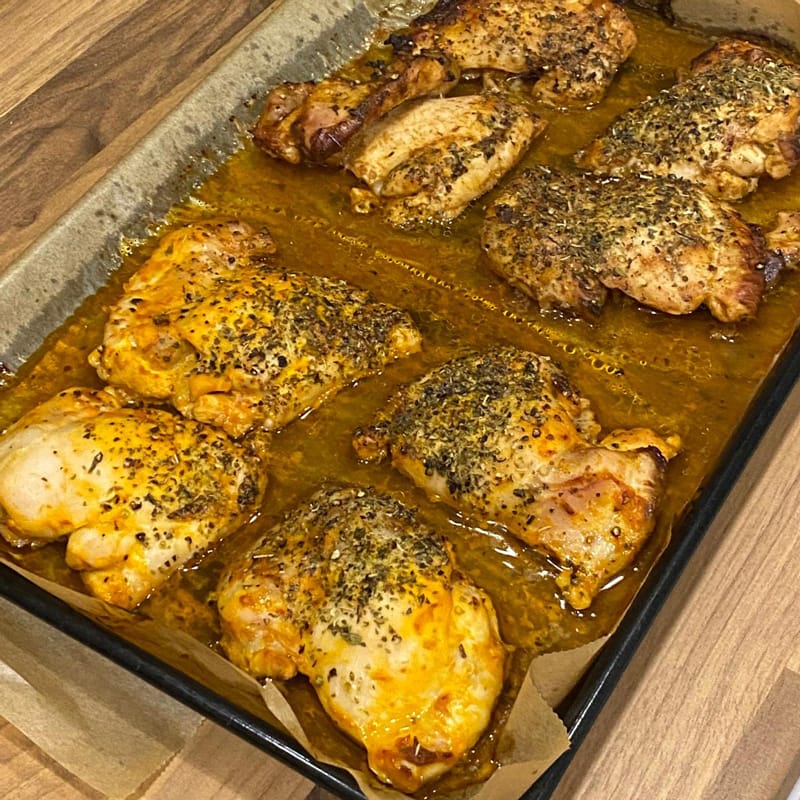
I used to have a big collection of hot sauces but have been avoiding them generally due to worrying about the sugar in them. However, using them as a meat marinade means that this is a very small carb dose. Sauce Shop do some good non/low-UPF sauces. I'm a big fan of the Buffalo one.
Chicken thighs are easy to marinate for a few hours and then just stick in the oven for 35 minutes. Look for ones with skin on as they tend to be cheaper and pack in more nutrients. If you add a small pot of water to the oven while preheating it will help to crisp up the skin. Avoid adding flour or breadcrumbs as this will only add to the carb content.
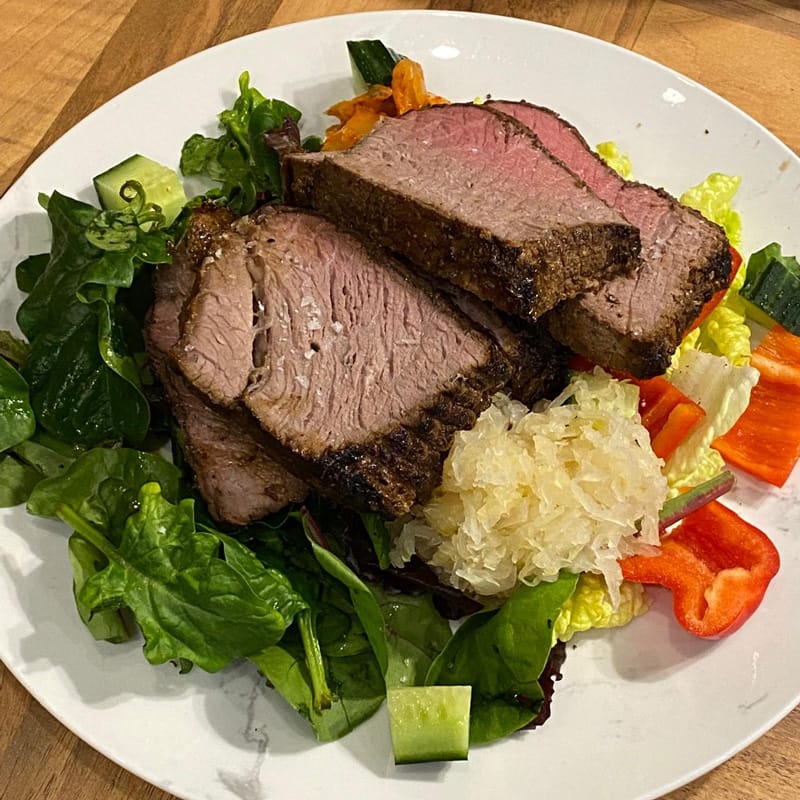
Roast beef with salad
Roasting meat is a great low-effort cooking method and is making my cooking routine a lot easier than my usual home-made sauce in a pan routine. The acidic flavour of sauerkraut and kimchi work really well with roast beef.
Sponsored*
Bitter melon & cinnamon tea

I'm back to trying one-day fast per week and herbal (or at least no dairy) teas help to relieve hunger niggles without breaking a water fast. A friend on the PHC course recommended bitter melon for help with glucose control so I decided to try this Nutra Glycemia tea and it's my new favourite for when I can't be bothered with the preparation steps for my BDNF-boosting tea with its multiple ingredients. The cinnamon and fenugreek form a well balanced sweet and earthiness. This one is now part of my daily routine whether I'm having a fasting day or not.
Shirataki noodles
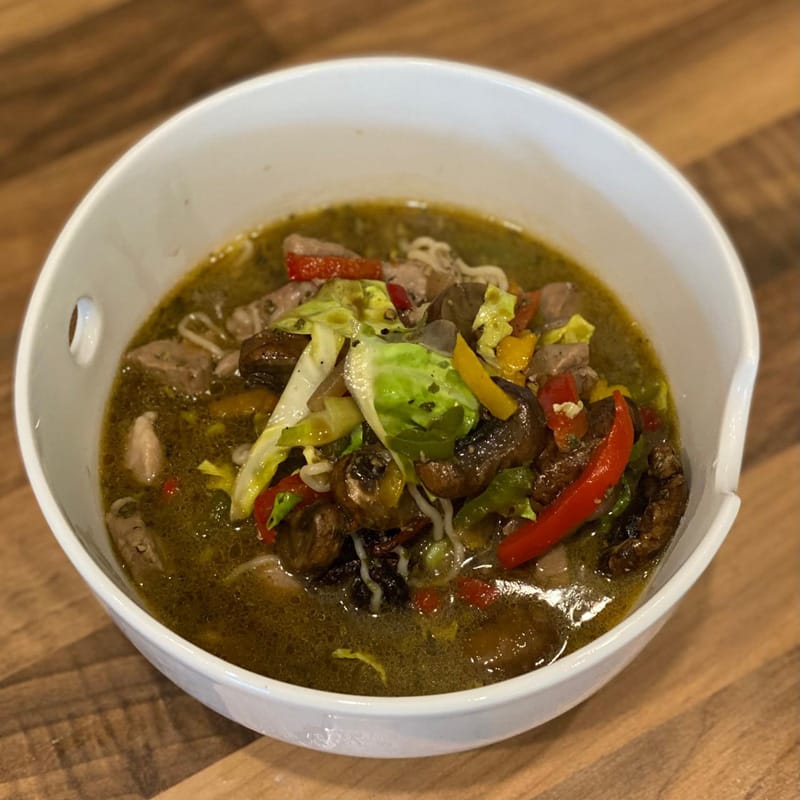
Shirataki noodles (not to be confused with shitake mushrooms) are super-low-carb noodles. They are made from konjac root (no, not the brandy - it's Southeast Asian elephant yam root). I add them to my regular pork ramen and they work well with a chicken curry as well.
Norman Walsh
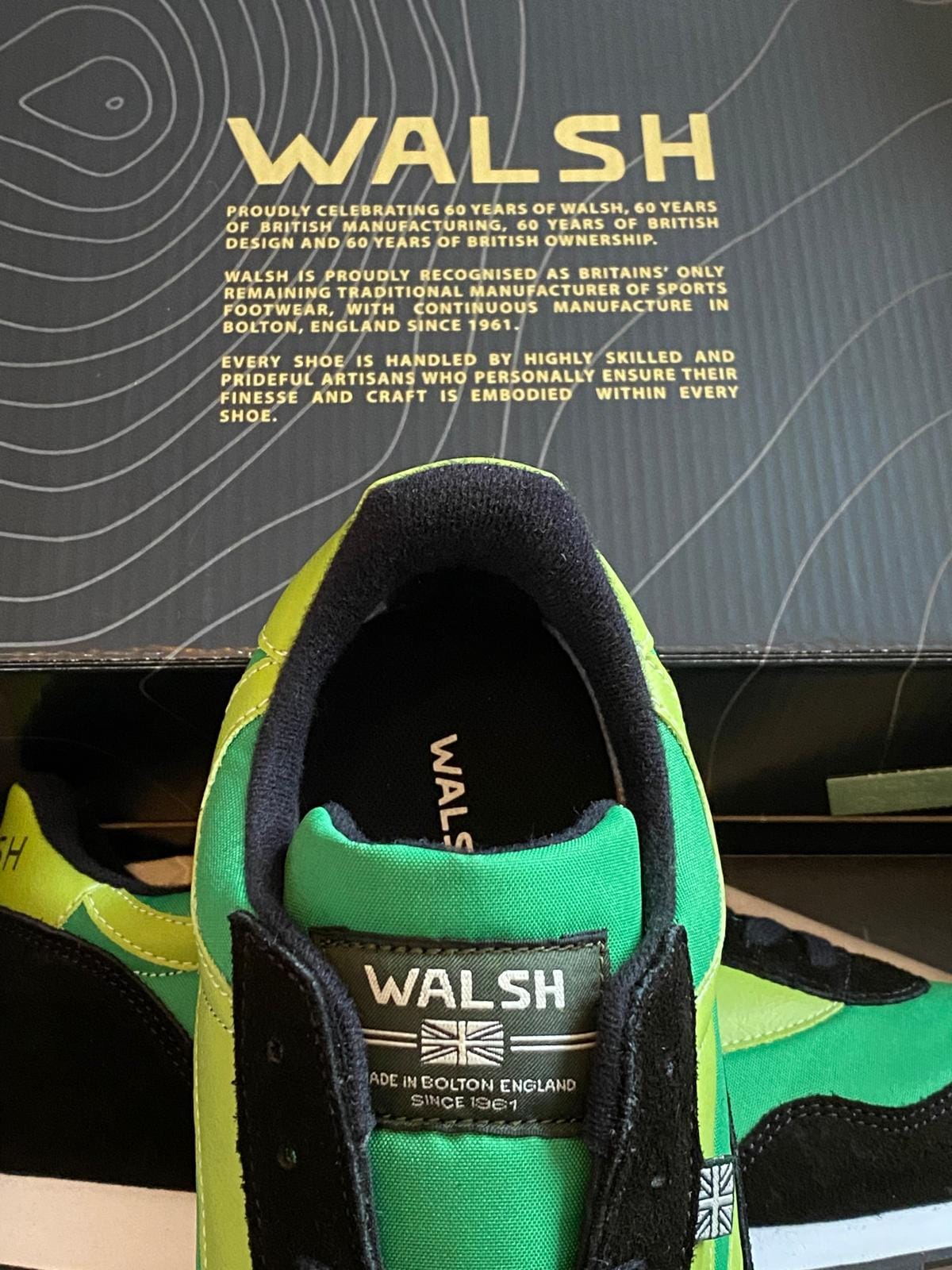
Did you know that Bolton has been making shoes for Olympic athletes for over 100 years? In 1961, Norman Walsh left J W Foster & Sons (the precursor of Reebok) to boldly establish his own brand. You can still buy performance footwear designed and made in Bolton from Walsh today.
Released in 1981 for harriers competing in the New York Marathon, the Ensign quickly became known for its durable performance and minimalist design. While many brands were experimenting with new technological materials, Norman Walsh stuck to his “less is more” approach. Featuring a Vibram Moreflex outsole with a thick wedge in the midsole for a cushioned heel strike, the Ensign provided both comfort and flexibility. The lightweight upper offered full-foot support, making it ideal for marathon training and races.